Located in the Pacific Ocean, the Galapagos Islands are renowned for their exceptional biodiversity both on land and underwater. Coral reefs play a vital role in supporting the marine life around these iconic islands. These intricate ecosystems not only provide shelter and food for a wide variety of species but also contribute to the overall health and balance of the marine environment in the Galapagos. Let’s delve into how coral reefs support the diverse marine life in this unique region.
**The Foundation of Marine Life**
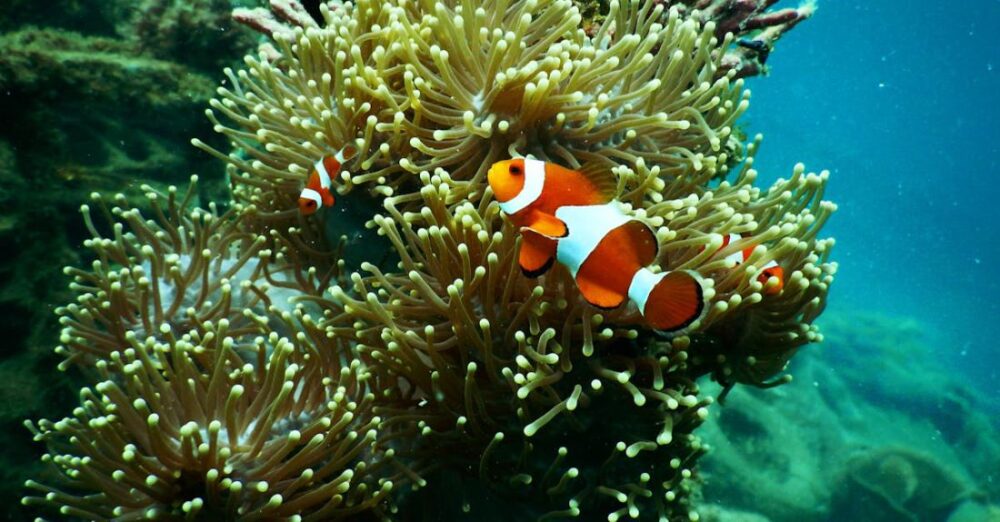
Coral reefs serve as the foundation of the marine ecosystem in the Galapagos. These structures are built by tiny coral polyps that secrete calcium carbonate to form hard, rocky skeletons. Over time, these skeletons accumulate and create complex structures that provide habitat, shelter, and food for countless marine species. The nooks and crannies of coral reefs offer protection for smaller fish, invertebrates, and juvenile organisms, allowing them to thrive in a safe environment.
**Biodiversity Hotspots**
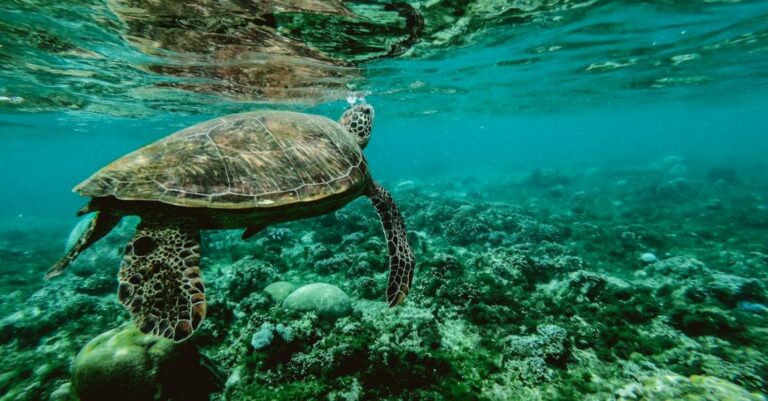
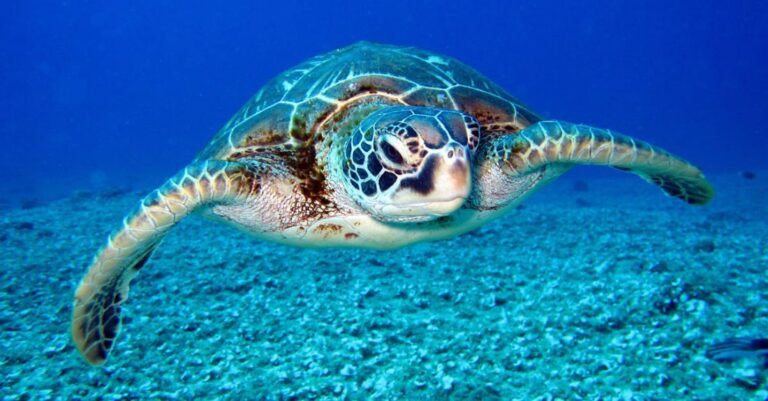
The Galapagos Islands are known as a hotspot for marine biodiversity, and coral reefs play a crucial role in maintaining this richness. These vibrant ecosystems support a wide array of species, from colorful fish and sea turtles to sharks and rays. The intricate structure of coral reefs provides hiding places for marine creatures, which helps to increase the overall biodiversity of the region. Additionally, many species rely on coral reefs for breeding and feeding grounds, further highlighting the importance of these habitats in supporting marine life in the Galapagos.
**Food Sources and Nutrient Cycling**
Coral reefs are not only important for providing shelter but also serve as essential sources of food for many marine organisms. The diverse array of algae, plankton, and small invertebrates that reside within and around coral reefs form the base of the food chain, sustaining larger predators such as fish, sharks, and marine mammals. Additionally, coral reefs play a significant role in nutrient cycling, with the organisms within these ecosystems recycling essential nutrients that contribute to the overall health of the marine environment in the Galapagos.
**Protection Against Coastal Erosion**
In addition to supporting marine life, coral reefs also play a crucial role in protecting coastlines from erosion. The complex structure of coral reefs helps to dissipate the energy of waves, reducing the impact of storms and preventing coastal erosion. In the Galapagos, where the islands are vulnerable to the effects of rising sea levels and extreme weather events, coral reefs act as natural barriers that help to safeguard the coastline and the communities that depend on it.
**Climate Resilience**
Coral reefs in the Galapagos also play a vital role in building resilience against the impacts of climate change. These ecosystems are highly sensitive to changes in water temperature and acidity, making them early indicators of environmental stress. By monitoring the health of coral reefs in the Galapagos, researchers can gain valuable insights into the effects of climate change on marine ecosystems and take proactive measures to protect these fragile habitats.
**Sustainable Tourism and Conservation**
The unique marine life supported by coral reefs in the Galapagos has made the region a popular destination for eco-tourism. Sustainable tourism practices, such as snorkeling and diving tours that prioritize the protection of coral reefs, can help raise awareness about the importance of these ecosystems and generate funds for conservation efforts. By promoting responsible tourism and supporting conservation initiatives, visitors can contribute to the long-term preservation of coral reefs and the marine life they support in the Galapagos.
**Preserving a Natural Wonder**
In conclusion, coral reefs are essential components of the marine environment in the Galapagos, supporting a diverse array of species and playing a crucial role in maintaining the health and balance of these ecosystems. By understanding the importance of coral reefs and taking steps to protect and conserve these fragile habitats, we can ensure that future generations will continue to marvel at the beauty and biodiversity of the Galapagos Islands for years to come.