Nestled in the Pacific Ocean off the coast of Ecuador, the Galapagos Islands are renowned for their unique and diverse wildlife. Among the fascinating creatures that call these volcanic islands home, the Galapagos penguins stand out as a true marvel of nature. These charismatic birds have captured the hearts of many with their endearing antics and remarkable adaptations to their environment. In this article, we delve into what makes Galapagos penguins so special and why they are a crucial part of the ecosystem of these enchanting islands.
**The Only Penguins in the Northern Hemisphere**
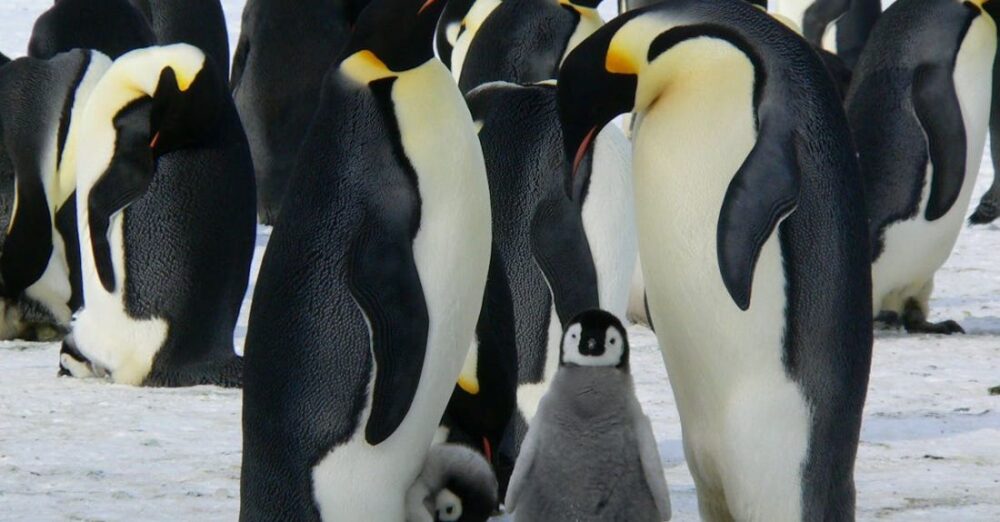
Galapagos penguins hold the distinction of being the only species of penguins found in the Northern Hemisphere. While most penguins inhabit cold Antarctic regions, these resilient birds have adapted to the warm equatorial climate of the Galapagos Islands. Their ability to thrive in such contrasting conditions sets them apart from their counterparts and makes them a unique and intriguing species to study.
**A Small but Resilient Population**
The Galapagos penguin population is relatively small compared to other penguin species, with only around 2,000 individuals remaining in the wild. Their limited numbers make them vulnerable to various threats, including climate change, overfishing, and introduced predators. Despite these challenges, Galapagos penguins have shown remarkable resilience, adapting to their changing environment and continuing to persist in the face of adversity.
**Incredible Adaptations for Survival**
To survive in the warm waters surrounding the Galapagos Islands, these penguins have evolved some incredible adaptations. Their smaller size compared to other penguin species helps them regulate their body temperature more effectively in the tropical climate. Galapagos penguins also have specialized heat exchange systems in their bodies that allow them to stay cool by dissipating excess heat through their flippers and feet. These unique adaptations enable them to thrive in the challenging conditions of their island home.
**Expert Divers and Agile Swimmers**
Galapagos penguins are highly skilled divers and adept swimmers, with the ability to dive to depths of up to 100 feet in search of food. Their streamlined bodies and flipper-like wings make them agile underwater, allowing them to catch fish and other prey with precision. Their exceptional diving abilities help them access food sources that other marine animals may not be able to reach, giving them a competitive edge in the rich marine ecosystem of the Galapagos Islands.
**Key Players in the Ecosystem**
As top predators in their marine environment, Galapagos penguins play a crucial role in maintaining the balance of the ecosystem. By feeding on fish and other marine organisms, they help regulate populations and prevent overgrowth of certain species. Their presence is essential for the health of the marine food web, ensuring that resources are distributed efficiently and sustainably throughout the ecosystem.
**Conservation Challenges and Efforts**
Despite their resilience and adaptability, Galapagos penguins face a range of conservation challenges that threaten their survival. Climate change, overfishing, pollution, and habitat destruction all pose significant risks to the long-term viability of this species. Conservation efforts focused on protecting their habitats, reducing human impact, and raising awareness about the importance of preserving these unique birds are crucial for ensuring their continued existence in the wild.
**Preserving a Precious Treasure**
In conclusion, Galapagos penguins are truly special creatures with a remarkable story of survival against the odds. Their unique adaptations, resilience in the face of challenges, and vital role in the ecosystem make them a precious treasure of the Galapagos Islands. By understanding and appreciating the significance of these charismatic birds, we can work together to safeguard their future and ensure that they continue to enchant and inspire us for generations to come.