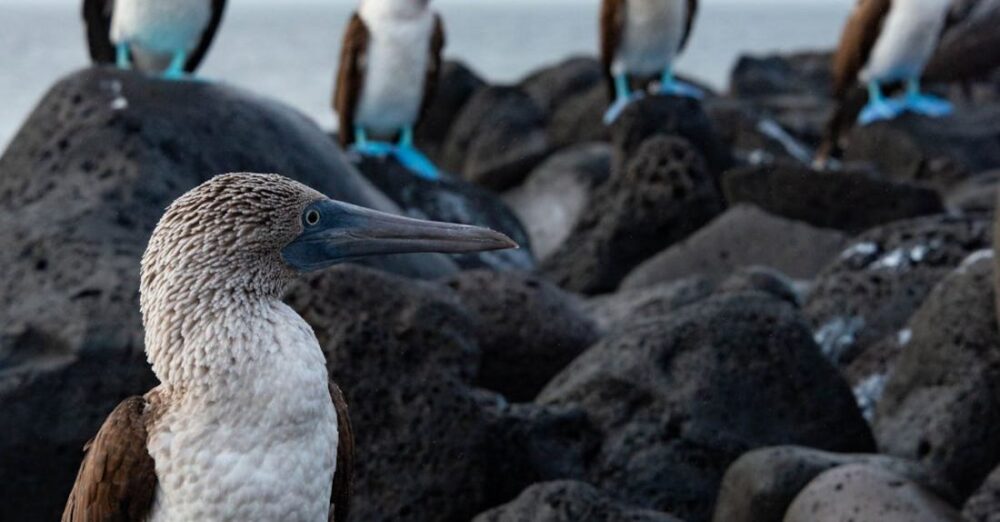
Nestled in the Pacific Ocean, the Galapagos Islands are home to a diverse array of marine life, including an impressive population of marine birds. These avian species have evolved unique adaptations that allow them to thrive in this challenging marine environment. From the iconic blue-footed boobies to the magnificent frigatebirds, the Galapagos is a haven for birdwatchers and wildlife enthusiasts alike. In this article, we will explore how marine birds have successfully adapted to life in the Galapagos Islands.
**Isolation and Evolution**
The Galapagos Islands are located over 600 miles off the coast of Ecuador, making them one of the most isolated archipelagos in the world. This isolation has played a crucial role in shaping the evolutionary history of the islands’ wildlife, including its diverse bird species. Over millions of years, birds that arrived on the islands faced unique environmental challenges that led to the development of specialized traits and behaviors.
**Adaptations for Survival**
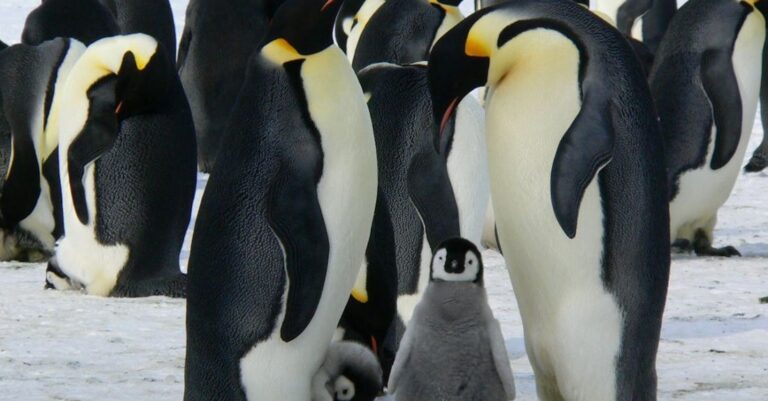
One of the most striking adaptations of marine birds in the Galapagos is their remarkable ability to forage for food in the ocean. Species such as the Galapagos penguin and the flightless cormorant have evolved streamlined bodies and powerful flippers that allow them to swim effortlessly through the water in search of fish and other marine prey. These birds have also developed keen eyesight and precise diving skills, enabling them to catch their prey with remarkable accuracy.
**Breeding and Nesting Strategies**
Breeding and nesting are critical aspects of the life cycle of marine birds in the Galapagos. Many species, such as the waved albatross and the magnificent frigatebird, return to the islands each year to breed and raise their young. These birds have evolved elaborate courtship rituals and nesting behaviors to ensure the survival of their offspring in this challenging environment.
**Challenges and Conservation**
While marine birds in the Galapagos have evolved remarkable adaptations for survival, they still face a range of threats in the modern world. Pollution, climate change, overfishing, and habitat destruction all pose significant challenges to the long-term survival of these iconic species. Conservation efforts are underway to protect the fragile ecosystems of the Galapagos and ensure the continued survival of its unique bird populations.
**The Future of Marine Birds in the Galapagos**
As we look to the future, it is essential that we continue to study and protect the marine birds of the Galapagos Islands. By understanding the adaptations that have allowed these birds to thrive in this unique environment, we can better appreciate the importance of preserving their habitats for future generations. Through education, research, and conservation efforts, we can ensure that the marine birds of the Galapagos continue to enchant and inspire us for years to come.
In conclusion, the marine birds of the Galapagos Islands are a testament to the power of evolution and adaptation in the face of challenging environmental conditions. From their specialized foraging techniques to their elaborate breeding behaviors, these birds have developed a remarkable set of traits that allow them to thrive in this remote and beautiful archipelago. By studying and protecting these unique species, we can ensure that the magic of the Galapagos Islands remains for generations to come.