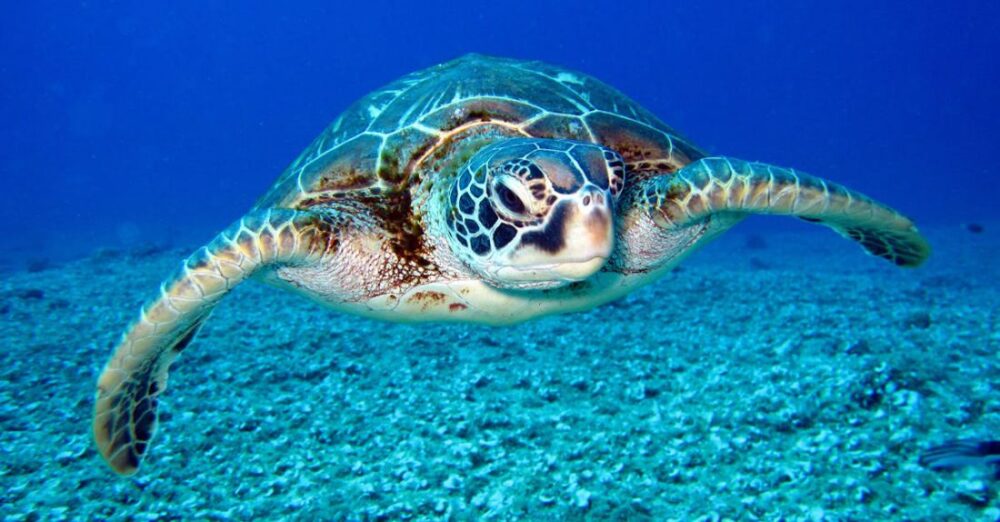
The Galapagos Islands, a UNESCO World Heritage site, are renowned for their unique biodiversity and stunning landscapes. Among the many fascinating creatures that call this archipelago home, sea turtles are some of the most iconic and beloved species. However, these remarkable reptiles face a myriad of threats that jeopardize their survival and the delicate balance of the marine ecosystem in which they play a crucial role.
**Illegal Wildlife Trafficking**
One of the main threats to Galapagos sea turtles is illegal wildlife trafficking. These magnificent creatures are highly sought after in the black market for their meat, eggs, and shells. Poachers target sea turtle nesting sites, where females come ashore to lay their eggs, putting both adult turtles and their offspring at risk. Despite protective measures in place, such as strict regulations and patrols, the illegal trade continues to pose a significant danger to the survival of sea turtles in the Galapagos.
**Habitat Destruction**
Habitat destruction is another major threat facing Galapagos sea turtles. Coastal development, pollution, and climate change are all contributing factors that degrade and destroy the nesting sites and feeding grounds of these marine reptiles. As human activities encroach upon the natural habitats of sea turtles, they are left with limited space to breed and forage for food, ultimately impacting their reproductive success and overall population health.
**Plastic Pollution**
Plastic pollution is a pervasive and insidious threat to Galapagos sea turtles. These reptiles often mistake plastic debris, such as bags and straws, for food and ingest them accidentally. This can lead to serious health issues, including intestinal blockages, malnutrition, and even death. Additionally, discarded fishing gear, such as nets and lines, poses a significant entanglement risk for sea turtles, causing injuries and impeding their ability to swim and feed effectively.
**Climate Change**
The effects of climate change, such as rising sea levels, ocean acidification, and increasingly frequent and severe weather events, are amplifying the threats to Galapagos sea turtles. Changing environmental conditions impact the availability of suitable nesting sites, alter ocean currents and temperatures, and disrupt food sources, all of which can have detrimental effects on the survival and reproductive success of these vulnerable reptiles. Climate change poses a complex and interconnected challenge that requires urgent global action to mitigate its impacts on sea turtle populations worldwide.
**Invasive Species**
Invasive species pose a significant threat to the native wildlife of the Galapagos Islands, including sea turtles. Predatory animals, such as rats, cats, and pigs, introduced to the islands by human activities, prey on sea turtle eggs and hatchlings, significantly reducing their chances of reaching maturity. Invasive plant species also compete with native vegetation for space and resources, further altering the fragile ecosystems that sea turtles rely on for survival.
**Overfishing**
Overfishing is a pressing issue that affects not only sea turtles but the entire marine ecosystem of the Galapagos. Unsustainable fishing practices, such as illegal, unregulated, and unreported fishing, can deplete fish stocks, disrupt food chains, and alter the balance of the marine environment. Sea turtles, as omnivorous creatures, rely on a diverse diet that includes fish, jellyfish, and algae. A decline in prey availability due to overfishing can have serious repercussions for the health and population dynamics of sea turtles in the Galapagos.
**Conclusion: Urgent Conservation Action Needed**
In conclusion, Galapagos sea turtles face a multitude of threats that jeopardize their long-term survival in the wild. Illegal wildlife trafficking, habitat destruction, plastic pollution, climate change, invasive species, and overfishing all contribute to the challenges that these magnificent creatures must overcome to thrive in their natural environment. Urgent conservation action is needed to address these threats effectively and ensure the protection of Galapagos sea turtles for future generations to admire and cherish. By raising awareness, implementing sustainable practices, and advocating for stronger protection measures, we can work together to safeguard the precious biodiversity of the Galapagos Islands and secure a brighter future for sea turtles and their marine habitat.