
The Galapagos Islands, located off the coast of Ecuador, are renowned for their unique biodiversity and the pioneering work of Charles Darwin. Over the years, these islands have faced numerous challenges, including invasive species, habitat destruction, and climate change, leading to the decline of several native species. However, amidst these challenges, there have been remarkable success stories of species recovery in the Galapagos, showcasing the resilience of nature and the effectiveness of conservation efforts.
**Giant Tortoises: Making a Comeback**
One of the most iconic species in the Galapagos is the giant tortoise, which faced near-extinction due to hunting and habitat loss. However, thanks to conservation initiatives, particularly the establishment of breeding centers and eradication of invasive species, giant tortoise populations have shown significant recovery. The giant tortoises of Española Island are a prime example of this success story. In the 1960s, only 14 tortoises remained on the island, but through captive breeding and reintroduction programs, their population has now rebounded to over 2,000 individuals. This remarkable recovery not only highlights the importance of conservation efforts but also serves as a beacon of hope for other endangered species in the Galapagos.
**Galapagos Penguins: Overcoming Adversity**
Galapagos penguins are the only penguin species that live north of the equator, making them particularly vulnerable to warming ocean temperatures and declining fish populations. Despite these challenges, the Galapagos penguin population has shown resilience in the face of adversity. Conservation measures, such as the establishment of marine protected areas and efforts to reduce human disturbances, have helped stabilize and even increase penguin numbers in recent years. The success of the Galapagos penguins serves as a testament to the importance of proactive conservation strategies in safeguarding vulnerable species.
**Flightless Cormorants: A Story of Adaptation**
The flightless cormorant is a unique species found only in the Galapagos, known for its inability to fly and exceptional diving abilities. Historically, these birds faced threats from introduced predators and habitat disturbance. However, through conservation efforts focused on protecting nesting sites and controlling invasive species, the flightless cormorant population has shown signs of recovery. The adaptability of these birds, coupled with targeted conservation actions, has allowed them to thrive in their island home once again. The success story of the flightless cormorants underscores the importance of understanding and preserving the unique adaptations of species in the Galapagos.
**Galapagos Sea Lions: A Conservation Triumph**
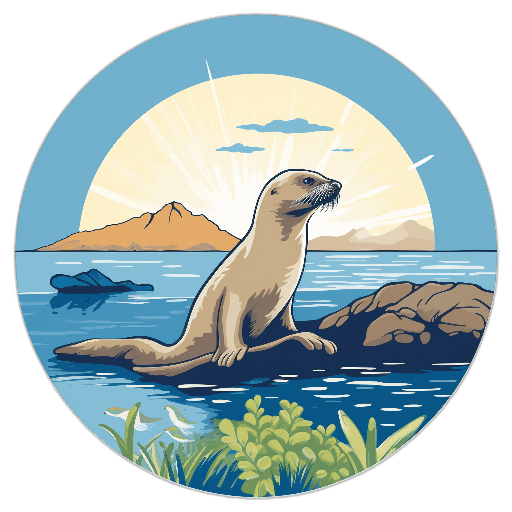
Galapagos sea lions are a charismatic species that have faced various threats, including entanglement in fishing gear and competition for food resources. Despite these challenges, conservation efforts have led to a notable recovery in sea lion populations. By implementing regulations on fishing practices, reducing plastic pollution, and monitoring breeding sites, conservationists have been able to protect and support the recovery of these iconic marine mammals. The resurgence of Galapagos sea lions stands as a testament to the power of targeted conservation actions in safeguarding vulnerable species and their habitats.
**In Conclusion: Celebrating Conservation Success in the Galapagos**
The Galapagos Islands are a living laboratory of evolution and a testament to the interconnectedness of species and ecosystems. Through dedicated conservation efforts and innovative strategies, several species in the Galapagos have made remarkable recoveries in the face of adversity. From giant tortoises to Galapagos penguins, these success stories serve as beacons of hope for the future of biodiversity conservation. By learning from these triumphs and continuing to prioritize the protection of these unique ecosystems, we can ensure that the Galapagos remains a thriving sanctuary for generations to come.