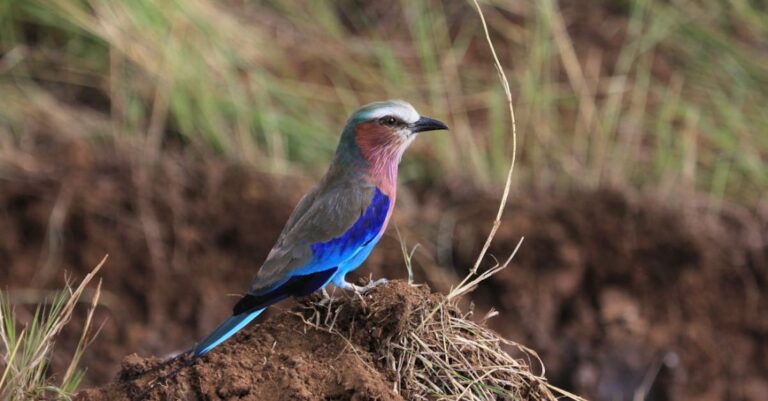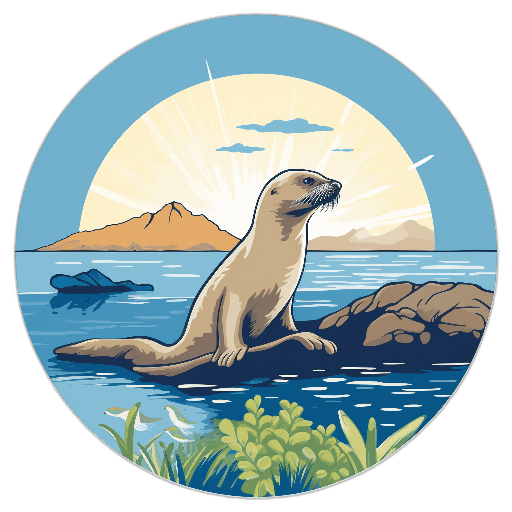
The Galapagos Islands, located in the Pacific Ocean, are renowned for their unique biodiversity and the incredible array of species that call this archipelago home. However, many of these species are facing threats to their survival due to human activities, climate change, and other environmental factors. Conservation efforts play a crucial role in protecting the endangered species of the Galapagos and ensuring their long-term survival.
Preserving Habitat
One of the primary ways that conservation efforts help endangered species in the Galapagos is by preserving their natural habitats. The islands are home to a wide variety of ecosystems, including forests, mangroves, and coastal areas, each of which provides essential resources for different species. By protecting these habitats from destruction and degradation, conservationists can ensure that endangered species have a safe place to live and thrive.
Invasive Species Management
Invasive species pose a significant threat to the native wildlife of the Galapagos Islands. Animals such as rats, cats, and goats, as well as plants like blackberry and guava, have been introduced to the islands and have had devastating effects on the local flora and fauna. Conservation efforts focus on managing and eradicating these invasive species to restore balance to the ecosystem and prevent further harm to endangered species.
Restoring Populations
For many endangered species in the Galapagos, populations have been drastically reduced due to hunting, habitat destruction, and other human activities. Conservation efforts often involve breeding programs and reintroduction initiatives to help restore these populations to healthy levels. By carefully monitoring and managing these populations, conservationists can ensure that endangered species have a better chance of survival in the wild.
Education and Awareness
Another crucial aspect of conservation efforts in the Galapagos is education and awareness. By raising awareness about the importance of protecting endangered species and their habitats, conservationists can garner support from local communities, tourists, and policymakers. Education programs also help to instill a sense of responsibility and stewardship for the natural world, ensuring that future generations will continue to prioritize conservation efforts.
Sustainable Practices
Conservation efforts in the Galapagos also focus on promoting sustainable practices that benefit both the environment and the local communities. Sustainable tourism, fishing, and agriculture are essential for reducing the impact of human activities on endangered species and their habitats. By working with local stakeholders to implement sustainable practices, conservationists can ensure that the delicate balance of the ecosystem is maintained for years to come.
Collaboration and Partnerships
Collaboration and partnerships are key to the success of conservation efforts in the Galapagos. Government agencies, non-profit organizations, research institutions, and local communities all play a vital role in protecting endangered species and their habitats. By working together towards a common goal, these stakeholders can pool their resources, expertise, and knowledge to achieve greater impact and ensure the long-term survival of endangered species in the Galapagos.
Protecting the Future
Conservation efforts are essential for protecting the endangered species of the Galapagos and preserving the unique biodiversity of this iconic archipelago. By focusing on habitat preservation, invasive species management, population restoration, education, sustainable practices, and collaboration, conservationists can make a significant difference in ensuring the survival of endangered species for generations to come. Through continued dedication and collective action, we can help safeguard the natural wonders of the Galapagos Islands for future generations to enjoy and appreciate.