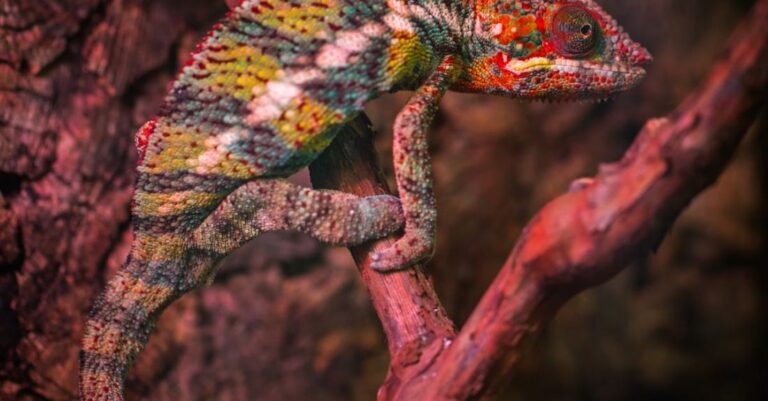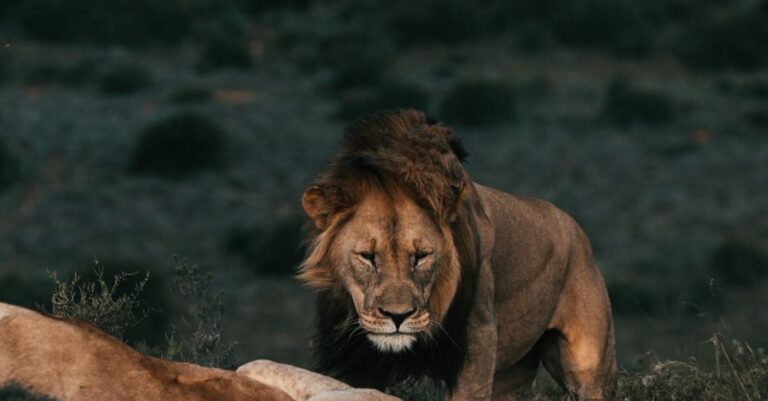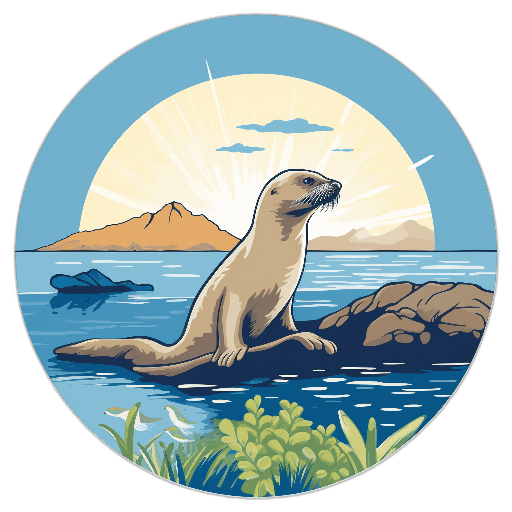

The Galapagos Islands, located in the Pacific Ocean, are renowned for their unique biodiversity and the incredible array of species that call this archipelago home. However, this delicate ecosystem is facing numerous threats that are endangering the survival of many species that are native to the Galapagos. From the impacts of climate change to human activities, the challenges facing the endangered species of the Galapagos are complex and far-reaching.
**Climate Change**
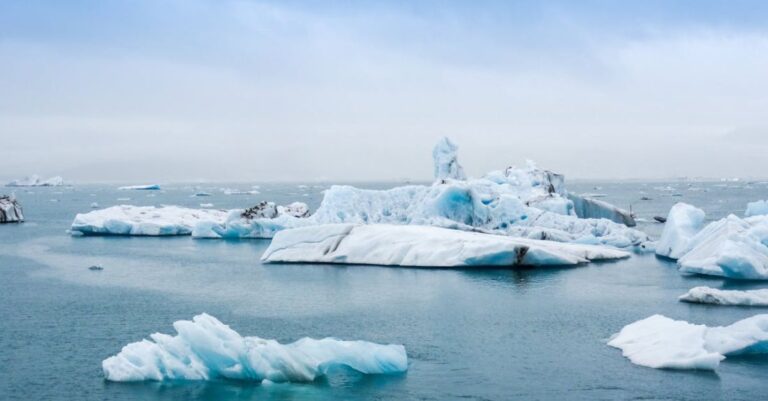
One of the most significant threats facing the endangered species of the Galapagos is climate change. Rising global temperatures are causing shifts in weather patterns, leading to more frequent and severe weather events such as hurricanes and droughts. These extreme weather events can have devastating effects on the fragile ecosystems of the Galapagos, destroying habitats and disrupting the natural balance of the environment. The warming of the oceans is also leading to coral bleaching, which is impacting the marine species that rely on coral reefs for their survival.
**Invasive Species**
Invasive species pose a major threat to the native wildlife of the Galapagos Islands. These non-native species, introduced by humans either intentionally or accidentally, can outcompete native species for resources, prey on them, or introduce diseases to which the native species have no immunity. Invasive species such as rats, cats, and goats have had a significant impact on the populations of endemic species in the Galapagos, pushing many of them to the brink of extinction.
**Overfishing**
Overfishing is another critical threat to the endangered species of the Galapagos. The waters surrounding the islands are home to a diverse range of marine species, many of which are already under pressure due to factors like climate change and habitat destruction. Overfishing can deplete populations of fish and other marine species, disrupting the delicate balance of the marine ecosystem and threatening the survival of species that rely on these resources for their survival.
**Pollution**
Pollution, both on land and in the ocean, is a significant threat to the endangered species of the Galapagos. Plastic pollution, in particular, is a major problem, as it can entangle marine animals, be ingested by them, and leach harmful chemicals into the environment. Pollution from oil spills and agricultural runoff can also have devastating effects on the local wildlife, contaminating their habitats and food sources.
**Tourism**
While tourism plays a vital role in the economy of the Galapagos Islands, it also poses a threat to the endangered species that inhabit the archipelago. The increasing number of visitors to the islands can disturb wildlife, trample fragile habitats, and introduce invasive species through the unintentional transport of seeds and organisms on clothing and equipment. Sustainable tourism practices are essential to minimize the impact of tourism on the endangered species of the Galapagos.
**Protecting the Endangered Species of the Galapagos**
Efforts to protect the endangered species of the Galapagos are underway, but more needs to be done to ensure their survival for future generations. Conservation organizations are working to eradicate invasive species, establish marine protected areas, and implement sustainable fishing practices to protect the biodiversity of the islands. Public awareness and education are also crucial in promoting conservation efforts and encouraging responsible behavior among visitors to the Galapagos.
**In Summary**
The endangered species of the Galapagos face a multitude of threats, ranging from climate change and invasive species to overfishing and pollution. The unique biodiversity of the islands is at risk, and concerted efforts are needed to protect and preserve the native wildlife that makes the Galapagos such a special place. By addressing these threats and implementing sustainable conservation measures, we can ensure that the endangered species of the Galapagos continue to thrive in their natural habitat.