The Galapagos Islands, an archipelago located in the Pacific Ocean, are renowned for their unique biodiversity and the remarkable species that call this remote paradise home. However, the fragile ecosystem of the Galapagos is under threat, with several species facing the risk of extinction. In this article, we will delve into the most endangered species in the Galapagos and the challenges they are encountering.
**The Galapagos Penguin**
The Galapagos penguin, the only species of penguin to live north of the equator, is one of the most endangered species in the Galapagos. These charismatic birds are facing a multitude of threats, including climate change, overfishing, and introduced predators such as cats and rats. With a population estimated to be around 1,000 individuals, the Galapagos penguin is in urgent need of conservation efforts to ensure its survival.
**The Galapagos Giant Tortoise**
The iconic Galapagos giant tortoise, the largest tortoise species in the world, has faced a tumultuous history due to exploitation by humans and the introduction of invasive species. Several subspecies of the Galapagos giant tortoise are critically endangered, with some populations reduced to just a handful of individuals. Conservation programs, such as captive breeding and habitat restoration, are underway to save these magnificent creatures from extinction.
**The Galapagos Fur Seal**
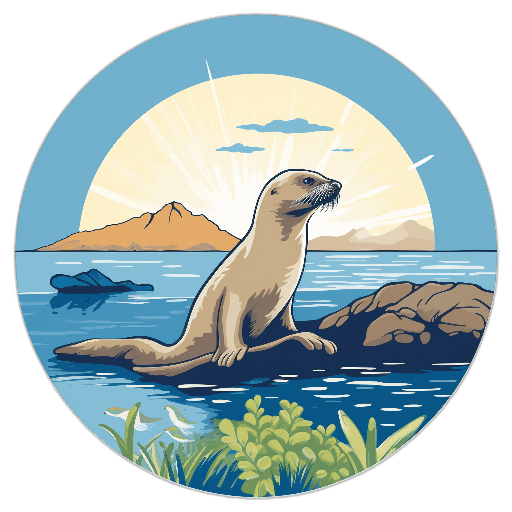
The Galapagos fur seal, a unique species endemic to the Galapagos Islands, is also on the brink of extinction. Historically hunted for their fur, the population of Galapagos fur seals has plummeted, and they continue to face threats from human disturbance, habitat degradation, and disease. Efforts to protect their breeding grounds and reduce human impact on their environment are crucial for the survival of this species.
**The Galapagos Marine Iguana**
The Galapagos marine iguana, the only seafaring lizard in the world, is another endangered species in the Galapagos. These remarkable creatures have evolved to forage for algae in the nutrient-rich waters surrounding the islands. However, they are facing challenges from habitat loss, pollution, and competition with invasive species. Conservation initiatives focused on protecting their nesting sites and reducing human disturbance are essential to safeguard the future of the Galapagos marine iguana.
**The Galapagos Flightless Cormorant**
The Galapagos flightless cormorant, a unique bird species that has lost the ability to fly, is also listed as endangered. These birds rely on the crystal-clear waters of the Galapagos for their primary food source and nesting sites. However, they are vulnerable to disturbances from human activities, such as tourism and fishing. Conservation efforts aimed at preserving their marine habitat and reducing human impact are critical for the survival of the Galapagos flightless cormorant.
**Protecting the Future of the Galapagos**
The Galapagos Islands are a living laboratory of evolution and a UNESCO World Heritage Site, recognized for their unparalleled biodiversity. However, the delicate balance of this ecosystem is under threat from a range of human-induced pressures. Conservation organizations, researchers, and local authorities are working tirelessly to protect the unique species of the Galapagos and ensure their survival for generations to come.
In conclusion, the most endangered species in the Galapagos face a myriad of challenges that jeopardize their existence. By raising awareness, implementing conservation measures, and fostering sustainable practices, we can help protect these iconic species and preserve the biodiversity of the Galapagos Islands. It is imperative that we take action now to secure a future where these remarkable creatures continue to thrive in their natural habitat.