The Galapagos Islands, located off the coast of Ecuador, are renowned for their unique wildlife and diverse habitats. These habitats play a crucial role in supporting the varied and fascinating species that call the archipelago home. From the lush highlands to the barren lava fields, each habitat in the Galapagos offers a distinct environment that provides essential resources for the wildlife that inhabit them.
**Marine Ecosystems: A Haven for Underwater Life**
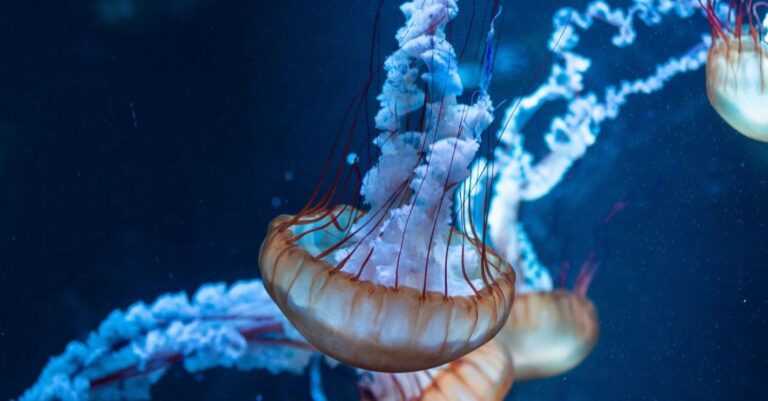
The marine ecosystems surrounding the Galapagos Islands are teeming with life, making them a crucial habitat for a wide variety of marine species. The nutrient-rich waters attract an abundance of marine life, including colorful fish, sea turtles, sharks, and marine iguanas. The Galapagos marine reserve is one of the largest in the world, providing protection for these species and allowing them to thrive in their natural environment.
**Coastal Zones: Home to Seabird Colonies**
The coastal zones of the Galapagos Islands are vital habitats for seabirds such as blue-footed boobies, frigatebirds, and albatrosses. These birds rely on the rocky shores and cliffs for nesting sites and the rich waters for food sources. The nutrient upwelling in the coastal zones supports a productive ecosystem, sustaining the seabird colonies that breed and roost along the coastlines of the islands.
**Highlands: Lush Habitats for Endemic Species**
The highlands of the Galapagos Islands offer a stark contrast to the arid coastal regions, with lush vegetation and mist-covered forests. These highland habitats are home to a variety of endemic species, including giant tortoises, finches, and mockingbirds. The fertile highlands provide food sources and shelter for these unique species, allowing them to thrive in the cooler and more humid climate of the interior of the islands.
**Lava Fields: Adaptations to Harsh Environments**
The lava fields of the Galapagos Islands are harsh and unforgiving environments, characterized by barren landscapes and rugged terrain. Despite the challenging conditions, some wildlife species have adapted to survive in the lava fields, such as lava lizards and cacti. These resilient species have evolved unique traits that allow them to thrive in the extreme conditions of the volcanic landscapes, showcasing the incredible adaptive abilities of Galapagos wildlife.
**Mangrove Forests: Nurseries for Marine Life**
The mangrove forests found in the Galapagos Islands play a crucial role in supporting marine life, serving as nurseries for young fish, sharks, and rays. The intricate root systems of mangrove trees provide shelter and protection for juvenile marine species, allowing them to grow and develop in a safe environment. Mangrove forests also help to stabilize coastal areas and filter pollutants from the water, contributing to the overall health of the marine ecosystems in the Galapagos.
**Conclusion: Preserving the Habitats for Future Generations**
The diverse habitats of the Galapagos Islands are essential for supporting the unique wildlife that inhabits this iconic archipelago. From the marine ecosystems to the highlands and lava fields, each habitat plays a vital role in sustaining the rich biodiversity of the Galapagos. As visitors and stewards of this fragile ecosystem, it is crucial to protect and preserve these habitats to ensure the continued survival of the wildlife that makes the Galapagos Islands so special. By understanding the importance of habitats in supporting unique wildlife, we can work towards creating a sustainable future for the Galapagos and its extraordinary inhabitants.