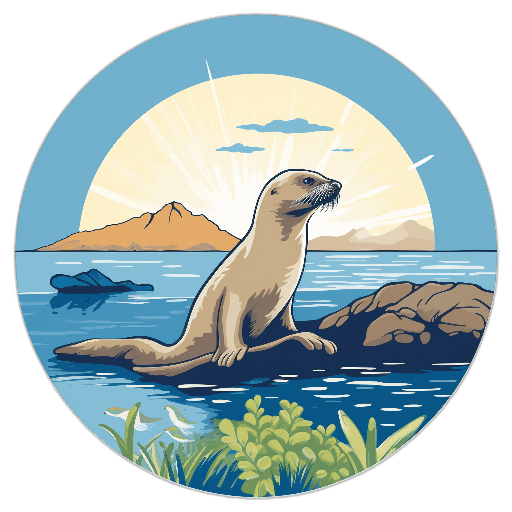

Nestled in the Pacific Ocean, the Galapagos Islands are a unique and biodiverse archipelago known for their stunning landscapes and remarkable wildlife. One of the key reasons for the islands’ rich biodiversity is the presence of various habitats that support a wide range of species. From lush forests to pristine beaches, the Galapagos offer a mosaic of ecosystems that are essential for the survival of its unique flora and fauna. In this article, we will explore some of the key habitats that make the Galapagos Islands a haven for wildlife enthusiasts and nature lovers alike.
Marine Ecosystems
The marine ecosystems surrounding the Galapagos Islands are teeming with life, making them a crucial habitat for a variety of marine species. The Galapagos Marine Reserve, one of the largest marine protected areas in the world, encompasses an extensive network of underwater habitats, including coral reefs, mangrove forests, and seagrass beds. These habitats provide shelter, food, and breeding grounds for a diverse array of marine organisms, from colorful fish to majestic sharks and marine mammals such as sea lions and dolphins.
Mangrove Forests
Mangrove forests are another important habitat in the Galapagos, playing a vital role in coastal ecosystems. These unique forests provide a sanctuary for a wide range of species, including birds, reptiles, and crustaceans. Mangroves help protect coastlines from erosion, filter pollutants, and serve as nurseries for young fish and other marine life. The intricate root systems of mangroves create a complex habitat that supports a high level of biodiversity, making them essential for the overall health of the Galapagos ecosystem.
Highlands
The highlands of the Galapagos Islands are characterized by lush forests, rolling hills, and volcanic landscapes. These habitats are home to unique plant species, such as the iconic giant tortoises, which play a crucial role in shaping the ecosystem. The highlands provide a refuge for endemic plants and animals, offering a stark contrast to the arid coastal regions of the islands. Visitors to the highlands can explore misty forests, lava tunnels, and volcanic craters, immersing themselves in the natural beauty of this captivating habitat.
Sandy Beaches
The sandy beaches of the Galapagos Islands are not only picturesque but also serve as important nesting sites for marine turtles and seabirds. Species such as the green sea turtle and the Galapagos penguin rely on these sandy shores to lay their eggs and raise their young. Beach habitats are essential for the survival of these species, providing a safe environment for reproduction and ensuring the continuation of their populations. Visitors to the Galapagos can witness these incredible creatures in their natural habitat, showcasing the importance of preserving these pristine beaches.
Rocky Shores
The rocky shores of the Galapagos Islands are a dynamic and diverse habitat that supports a wide variety of marine life. These rugged coastlines are home to an array of intertidal species, including colorful sea stars, crabs, and marine iguanas. Rocky shores provide a unique environment for species to thrive, offering shelter from waves and predators. Visitors can explore tide pools and rocky outcrops, observing the fascinating adaptations of the creatures that call these habitats home. The rocky shores of the Galapagos are a testament to the resilience and diversity of life in this extraordinary archipelago.
Protecting key habitats in the Galapagos is essential for the long-term conservation of the islands’ unique flora and fauna. By preserving these diverse ecosystems, we can ensure that future generations will have the opportunity to experience the natural wonders of this remarkable archipelago. Whether exploring the marine reserves, hiking through the highlands, or relaxing on sandy beaches, visitors to the Galapagos can witness firsthand the beauty and importance of these key habitats. The Galapagos Islands truly are a living laboratory of evolution, where the delicate balance of nature continues to inspire and amaze all who visit.