The Galapagos Islands, a remote archipelago situated in the Pacific Ocean, are renowned for their unique biodiversity and stunning marine life. Divers from around the world flock to these pristine waters to witness the underwater wonders that the Galapagos have to offer. However, diving conditions in the Galapagos can vary significantly depending on various factors such as location, time of year, and currents. Understanding these variations is crucial for a successful and enjoyable diving experience in this marine paradise.
Diverse Marine Ecosystems
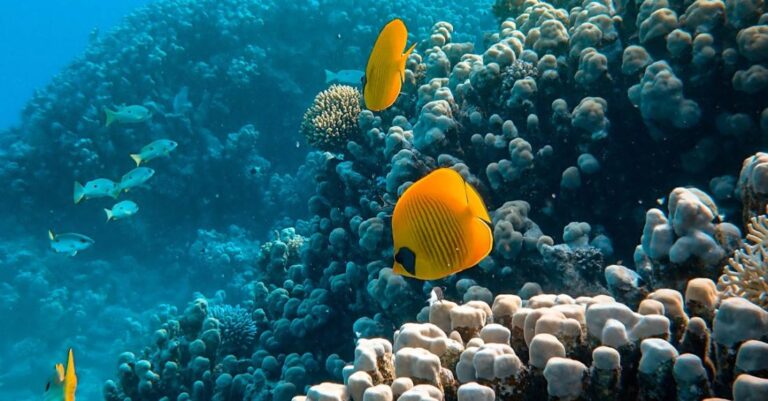
The Galapagos Islands are home to a diverse range of marine ecosystems, each offering its own set of unique diving conditions. From vibrant coral reefs teeming with colorful fish to rocky volcanic formations inhabited by hammerhead sharks and sea lions, divers in the Galapagos can explore a wide array of underwater landscapes. The sheer variety of marine life found in these waters is what sets the Galapagos apart as a premier diving destination.
Currents and Water Temperatures
One of the defining characteristics of diving in the Galapagos is the presence of strong currents. These currents play a crucial role in shaping the underwater landscape and influencing the behavior of marine life. While some dive sites experience mild currents that are suitable for all skill levels, others can have powerful currents that require more advanced diving skills. It is important for divers to be aware of the prevailing currents at their chosen dive sites and to plan their dives accordingly.
In addition to currents, water temperatures in the Galapagos can also vary significantly depending on the time of year and location. The waters around the islands are influenced by both warm and cold ocean currents, resulting in a wide range of water temperatures throughout the year. Divers visiting the Galapagos should be prepared for these fluctuations and ensure they have the appropriate exposure protection for the conditions they will encounter.
Visibility and Seasonal Variations
Visibility is another key factor that can affect diving conditions in the Galapagos. While the crystal-clear waters of the islands offer excellent visibility for most of the year, factors such as plankton blooms and strong currents can reduce visibility at certain times. Divers should take these factors into account when planning their dives and be prepared for potential changes in visibility.
Seasonal variations also play a significant role in diving conditions in the Galapagos. The islands experience two main seasons – the warm season from December to May and the cool season from June to November. Each season brings its own set of unique diving conditions, with the warm season generally offering calmer seas and warmer water temperatures, while the cool season sees an increase in nutrient-rich waters that attract a higher concentration of marine life.
Best Dive Sites in the Galapagos
The Galapagos Islands are home to a multitude of world-class dive sites, each offering a unique diving experience. From the iconic Darwin and Wolf Islands, known for their large pelagic species such as hammerhead sharks and whale sharks, to the lava formations of Punta Vicente Roca and the vibrant reefs of Gordon Rocks, divers in the Galapagos are spoilt for choice when it comes to underwater exploration. Each dive site has its own set of characteristics and diving conditions, making the Galapagos a truly diverse and exciting destination for underwater enthusiasts.
Diving Responsibly in the Galapagos
As with any marine environment, it is essential for divers visiting the Galapagos to dive responsibly and minimize their impact on the delicate ecosystems they are exploring. Following established diving guidelines, respecting marine life, and supporting sustainable diving practices are all crucial steps in ensuring the long-term health and preservation of the Galapagos marine environment. By diving responsibly, divers can help protect the incredible biodiversity of the Galapagos for future generations to enjoy.
In conclusion, diving conditions in the Galapagos are as diverse and dynamic as the marine life that inhabits these pristine waters. From strong currents and varying water temperatures to seasonal fluctuations and unique dive sites, the Galapagos offers a truly unforgettable diving experience for enthusiasts of all levels. By understanding and adapting to the changing conditions of this marine paradise, divers can fully appreciate the beauty and wonder of the Galapagos underwater world while contributing to its conservation and protection.