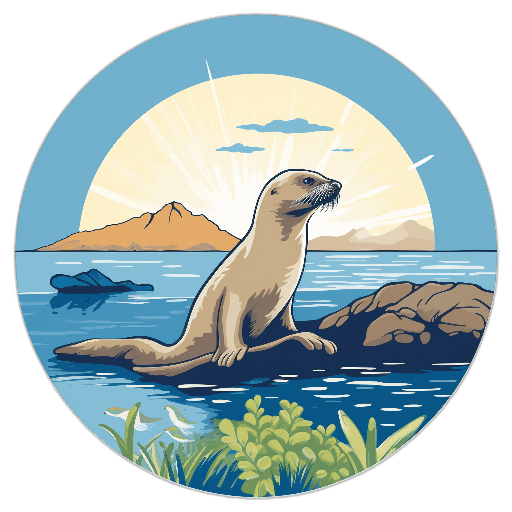

The Galapagos Islands are a unique and biodiverse ecosystem that is home to a wide range of fascinating fauna. From the iconic Galapagos tortoises to the colorful marine iguanas, the islands are teeming with wildlife found nowhere else on Earth. However, the delicate balance of this ecosystem is constantly under threat from human activities, climate change, and invasive species. In order to protect the unique wildlife of the Galapagos, various conservation efforts have been put in place to ensure the long-term survival of these species.
Preserving Habitat
One of the key conservation efforts for Galapagos fauna is the preservation of their natural habitat. The Galapagos Islands are a fragile ecosystem, and any disturbance to their habitat can have devastating effects on the wildlife that call these islands home. Conservation organizations and the Ecuadorian government have worked together to establish protected areas and marine reserves to safeguard the diverse habitats of the islands. By limiting human impact and controlling invasive species, these protected areas help provide a safe haven for Galapagos fauna to thrive.
Eradicating Invasive Species
Invasive species pose a significant threat to the native wildlife of the Galapagos Islands. Animals like rats, feral cats, and goats have been introduced to the islands either intentionally or accidentally, and they can outcompete native species for resources, prey on them, or destroy their habitats. To combat this threat, conservationists have implemented eradication programs to remove invasive species from the islands. These efforts help restore the balance of the ecosystem and protect the unique flora and fauna of the Galapagos.
Species Monitoring and Research
Another important conservation effort for Galapagos fauna is ongoing species monitoring and research. By studying the populations, behaviors, and habitats of different species, scientists can better understand the needs of these animals and develop targeted conservation strategies. Monitoring programs track changes in population sizes, distribution patterns, and health status of key species, allowing conservationists to detect any declines or threats early on. This information is crucial for making informed decisions and implementing effective conservation measures to protect Galapagos fauna.
Community Engagement and Education
Conservation efforts in the Galapagos also involve engaging with local communities and raising awareness about the importance of protecting the islands’ unique wildlife. By involving local residents in conservation projects and providing education about the value of the fauna and their habitats, conservationists can build a sense of stewardship among the community. Encouraging sustainable practices, promoting eco-tourism, and fostering a sense of pride in the natural heritage of the islands can help create a culture of conservation that benefits both the wildlife and the people of the Galapagos.
Climate Change Adaptation
Climate change is a global threat that is particularly acute in fragile ecosystems like the Galapagos Islands. Rising temperatures, changing weather patterns, and ocean acidification can have profound impacts on the fauna of the islands, affecting their food sources, breeding cycles, and habitats. Conservation efforts in the Galapagos include measures to mitigate the effects of climate change and help the fauna adapt to these changes. By promoting sustainable practices, reducing carbon emissions, and supporting research on climate resilience, conservationists aim to safeguard the unique wildlife of the Galapagos for future generations.
Protecting the Future of Galapagos Fauna
The conservation efforts for Galapagos fauna are essential to ensuring the long-term survival of these unique species. By preserving their habitat, eradicating invasive species, monitoring populations, engaging with local communities, and addressing the challenges of climate change, conservationists are working tirelessly to protect the diverse wildlife of the Galapagos Islands. Through collaborative efforts and a commitment to conservation, we can help secure a future where the iconic fauna of the Galapagos continue to thrive in their natural environment.