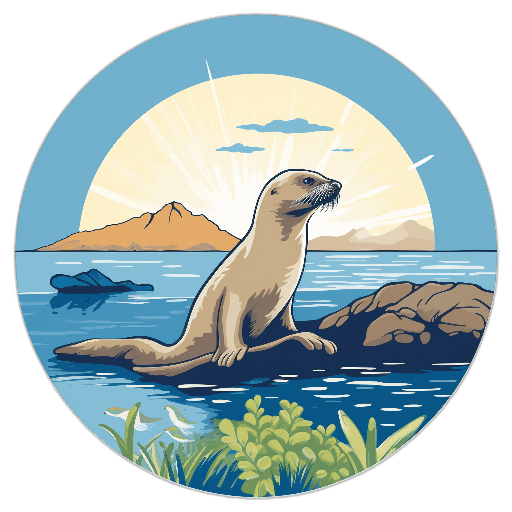
The Galapagos Islands, located off the coast of Ecuador, are renowned for their unique and diverse ecosystems. One of the most fascinating aspects of the Galapagos environment is the way in which its fauna have adapted to the harsh conditions of the islands. From the iconic giant tortoises to the colorful marine iguanas, the wildlife of the Galapagos has evolved remarkable strategies to thrive in this challenging environment.
**Isolation and Evolution**
The Galapagos Islands are isolated from the mainland, which has allowed for the evolution of distinct species found nowhere else on Earth. This isolation has been a key factor in shaping the adaptations of the fauna of the islands. Over millions of years, species have adapted to the specific conditions of the Galapagos, such as limited resources and extreme weather patterns.
**Specialized Diets**
One of the most striking examples of adaptation in the Galapagos fauna is the specialized diets of many species. For instance, the marine iguanas of the Galapagos have evolved to feed on marine algae, a food source that is abundant in the coastal waters of the islands. This unique diet has allowed the marine iguanas to thrive in an environment where food resources can be scarce.
**Unique Physiological Adaptations**
In addition to specialized diets, many species in the Galapagos have developed unique physiological adaptations to survive in the harsh environment of the islands. For example, the Galapagos penguins have evolved a smaller body size compared to other penguin species, which helps them regulate their body temperature in the warm waters of the equatorial region. Similarly, the flightless cormorants of the Galapagos have adapted to diving deep underwater to catch their prey, a behavior that is rare among cormorant species.
**Behavioral Adaptations**
Behavioral adaptations play a crucial role in the survival of Galapagos fauna. Many species have developed unique behaviors to cope with the challenges of their environment. For example, the Galapagos finches, often referred to as “Darwin’s finches,” have evolved different beak shapes and sizes to exploit various food sources. This specialization allows the finches to coexist on the islands without directly competing for resources.
**Surviving in Changing Environments**
The Galapagos Islands are not immune to environmental changes, and the fauna of the islands must constantly adapt to survive. Human activities, such as tourism and the introduction of non-native species, pose significant challenges to the native wildlife of the Galapagos. Despite these threats, many species have shown remarkable resilience and adaptability in the face of changing environments.
**Conservation Efforts**
Conservation efforts play a crucial role in ensuring the survival of the unique fauna of the Galapagos Islands. Organizations and researchers are working tirelessly to protect the natural habitats of the islands and mitigate the impact of human activities on the local wildlife. By raising awareness and implementing conservation measures, we can help preserve the incredible biodiversity of the Galapagos for future generations to appreciate and study.
**Preserving a Natural Wonder**
The Galapagos Islands are a natural wonder that continues to captivate scientists and nature enthusiasts alike. The adaptations of the fauna of the islands offer a glimpse into the incredible diversity of life on Earth and the remarkable ways in which species can evolve to survive in challenging environments. By understanding and protecting the unique adaptations of Galapagos wildlife, we can ensure that these incredible species continue to thrive for years to come.