Flowering plants in the Galapagos Islands have thrived in a unique and challenging environment for millions of years. Despite the harsh conditions of this isolated archipelago, these plants have evolved remarkable adaptations that allow them to survive and flourish in this distinctive ecosystem.
**The Galapagos Islands: A Unique Habitat**
Situated in the Pacific Ocean, the Galapagos Islands are renowned for their rich biodiversity and unique ecosystems. The islands are volcanic in origin, with diverse habitats ranging from lush forests to arid deserts. The isolation of the Galapagos, located nearly 1,000 kilometers off the coast of Ecuador, has contributed to the evolution of a wide variety of endemic plant species found nowhere else on Earth.
**Adaptations to Limited Resources**
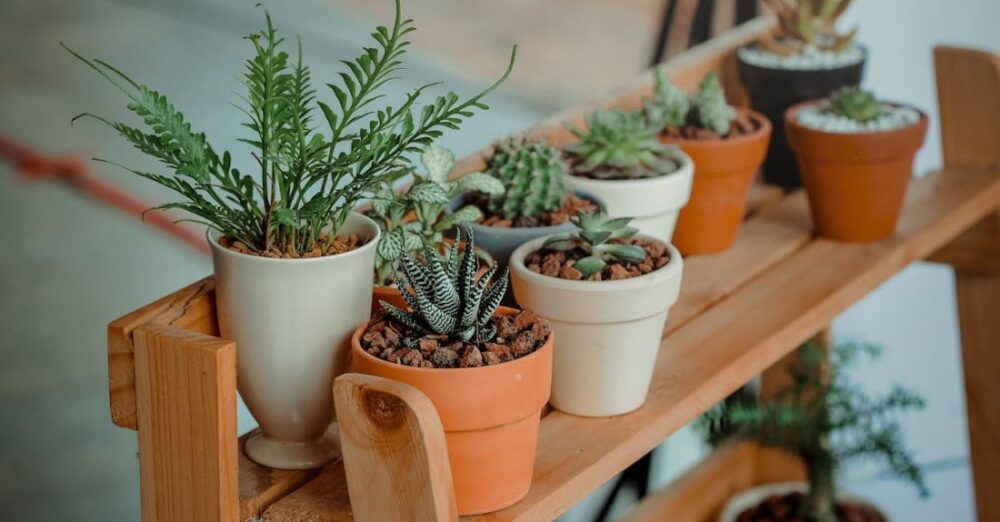
One of the key challenges for flowering plants in the Galapagos is the scarcity of freshwater. With limited rainfall and no permanent rivers or streams, plants must rely on fog, known as garúa, to provide moisture. Many species have adapted by developing specialized structures to capture and retain water, such as waxy leaves or succulent stems. These adaptations allow plants to thrive in the arid conditions of the islands.
**Pollination Strategies**
Flowering plants in the Galapagos have evolved unique pollination strategies to ensure reproductive success. Due to the limited number of pollinators on the islands, such as insects and birds, some plants have developed self-pollination mechanisms to increase their chances of reproduction. Others have formed mutualistic relationships with specific pollinators, such as the famous Darwin’s finches, which play a crucial role in the pollination of certain plant species.
**Island Endemism**
The Galapagos Islands are home to a high level of endemism, with many plant species found exclusively within the archipelago. These endemic plants have evolved in isolation, adapting to the specific environmental conditions of each island. This isolation has led to the development of unique and diverse flora, with each island supporting its own distinct plant communities.
**Threats to Plant Diversity**
Despite their resilience, flowering plants in the Galapagos face various threats to their survival. Invasive species introduced by human activities, such as goats and rats, pose a significant risk to native plant populations. These invasive species can outcompete native plants for resources and disrupt fragile ecosystems, leading to a decline in plant diversity.
**Conservation Efforts**
Efforts are underway to protect the unique plant diversity of the Galapagos Islands. Conservation organizations work to eradicate invasive species, restore degraded habitats, and raise awareness about the importance of preserving the islands’ flora. By implementing strict biosecurity measures and promoting sustainable tourism practices, conservationists aim to safeguard the fragile ecosystems of the Galapagos for future generations.
**Preserving a Natural Wonder**
The flowering plants of the Galapagos Islands are a testament to the resilience and adaptability of life in the face of extreme conditions. By understanding and appreciating the unique adaptations of these plants, we can better appreciate the intricate web of life that thrives in this remote archipelago. Through conservation efforts and responsible stewardship, we can ensure that the floral diversity of the Galapagos continues to inspire and educate us for years to come.