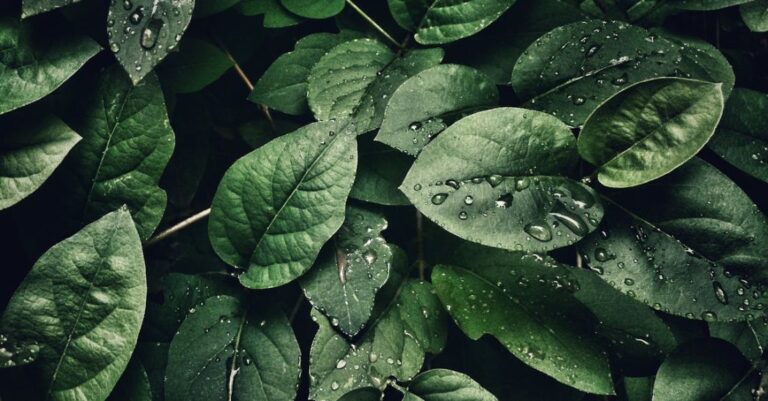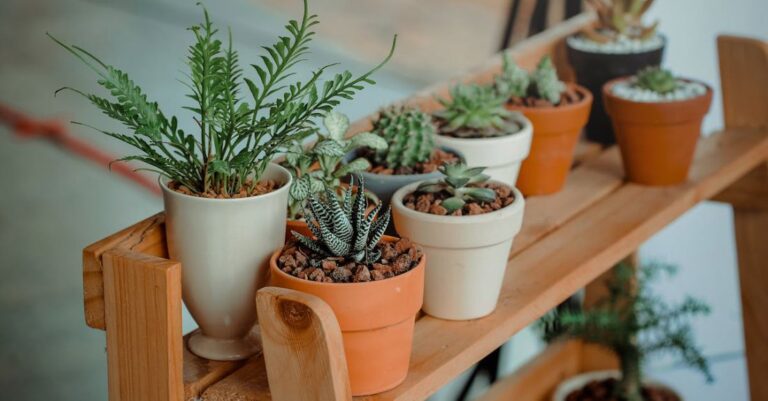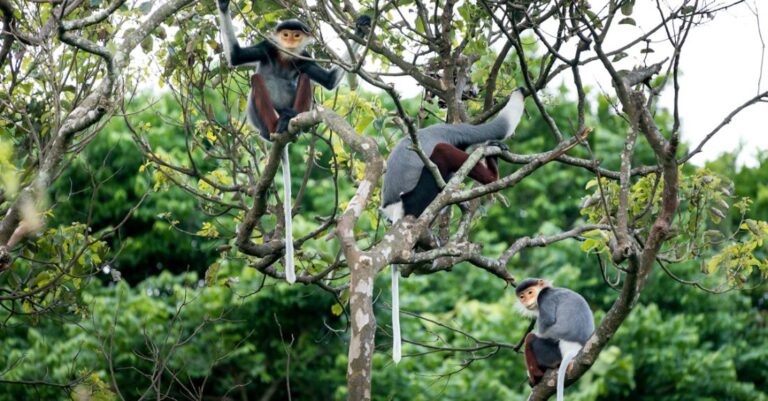

The Galapagos Islands, a remote archipelago located in the Pacific Ocean, are renowned for their unique biodiversity, including a plethora of plant species that are found nowhere else on Earth. The flora of the Galapagos Islands is a vital component of the delicate ecosystem that sustains the numerous endemic species that call this volcanic archipelago home. However, the flora of the Galapagos Islands faces numerous threats, including invasive species, climate change, and habitat destruction. As a result, conservation efforts are crucial to safeguarding the rich botanical diversity of this remarkable region.
Preserving Native Habitats
One of the primary conservation efforts for Galapagos flora is the preservation of native habitats. The Galapagos Islands are home to a wide range of unique ecosystems, from arid coastal zones to lush highland forests. These habitats provide a home for a diverse array of plant species, many of which are found only in the Galapagos. By protecting these habitats from human encroachment and invasive species, conservationists can help ensure the survival of these endemic plants.
Eradicating Invasive Species
Invasive species pose a significant threat to the native flora of the Galapagos Islands. Non-native plants can outcompete native species for resources, disrupt pollination patterns, and alter the natural balance of the ecosystem. Conservation efforts in the Galapagos Islands often focus on eradicating invasive species to protect the native flora. This can involve manual removal of invasive plants, as well as the introduction of biological controls to manage invasive species populations.
Promoting Sustainable Tourism
Tourism is a major industry in the Galapagos Islands, attracting thousands of visitors each year eager to experience the unique wildlife and landscapes of the archipelago. However, uncontrolled tourism can have negative impacts on the local flora, including trampling of fragile ecosystems and introduction of invasive species. Conservation efforts in the Galapagos Islands aim to promote sustainable tourism practices that minimize the impact on the native flora while still allowing visitors to appreciate the natural beauty of the islands.
Research and Monitoring
Research and monitoring play a crucial role in conservation efforts for Galapagos flora. Scientists study the plant species of the Galapagos Islands to better understand their ecology, distribution, and conservation needs. Monitoring programs track changes in plant populations over time, allowing conservationists to assess the effectiveness of their efforts and adapt their strategies as needed. By staying informed about the status of Galapagos flora, conservationists can make informed decisions about how best to protect these unique plants.
Community Involvement
Engaging with local communities is another important aspect of conservation efforts for Galapagos flora. Many residents of the Galapagos Islands rely on the natural resources of the archipelago for their livelihoods, and their support is essential for successful conservation initiatives. By involving local communities in conservation projects, educating them about the importance of preserving native plant species, and providing alternative livelihood opportunities, conservationists can help ensure the long-term survival of Galapagos flora.
Adapting to Climate Change
Climate change poses a significant threat to the flora of the Galapagos Islands, with rising temperatures and changing precipitation patterns affecting plant populations across the archipelago. Conservation efforts in the Galapagos Islands are increasingly focused on adapting to these changing conditions, such as establishing seed banks to preserve genetic diversity, reintroducing native plants to areas where they have been lost, and implementing measures to protect vulnerable species from the impacts of climate change. By taking proactive steps to address the challenges posed by climate change, conservationists can help safeguard the future of Galapagos flora.
In conclusion, the conservation efforts for Galapagos flora are diverse and multifaceted, reflecting the unique challenges facing the plant species of this iconic archipelago. By preserving native habitats, eradicating invasive species, promoting sustainable tourism, conducting research and monitoring, engaging with local communities, and adapting to climate change, conservationists can work together to protect the rich botanical diversity of the Galapagos Islands for future generations. The continued success of these conservation efforts is essential to ensuring that the unique flora of the Galapagos Islands thrives in the face of ongoing threats and challenges.