**How Do Plants Contribute to the Galapagos Ecosystem**
The Galapagos Islands are renowned for their unique biodiversity and their vital role in shaping Charles Darwin’s theory of evolution. While the archipelago is best known for its diverse array of wildlife, from giant tortoises to marine iguanas, the plants that inhabit these islands play a crucial role in supporting this intricate ecosystem.
**Essential Habitat and Food Source**
Plants in the Galapagos Islands provide essential habitat and food sources for a wide variety of animal species. The unique flora of the islands has evolved to thrive in the harsh and isolated environment, with many species found nowhere else on Earth. Cacti, such as the prickly pear and lava cactus, are common sights across the islands and provide food for animals like the Galapagos tortoise and land iguanas. Additionally, plants like the Scalesia tree offer nesting sites and shelter for birds such as finches and mockingbirds.
**Soil Stability and Erosion Prevention**
The roots of plants play a crucial role in stabilizing the soil and preventing erosion across the Galapagos Islands. Due to the islands’ volcanic origins and relatively young age, the soil is prone to erosion from wind and rain. The extensive root systems of plants help bind the soil together, reducing the risk of landslides and erosion. In particular, mangroves along the coastlines help protect fragile coastal ecosystems from erosion and provide nursery areas for marine life.
**Nutrient Cycling and Soil Enrichment**
Plants in the Galapagos Islands also contribute to nutrient cycling and soil enrichment, playing a key role in maintaining the overall health of the ecosystem. Through processes like photosynthesis and decomposition, plants help recycle nutrients within the ecosystem, ensuring that essential elements like nitrogen and phosphorus are available for other organisms. In addition, fallen leaves and plant debris enrich the soil, providing essential nutrients for new plant growth and supporting the diverse array of flora and fauna found on the islands.
**Pollination and Seed Dispersal**
Plants in the Galapagos Islands rely on a variety of pollinators, including insects, birds, and even lizards, to reproduce. In turn, these plants provide essential food sources for pollinators, creating a mutually beneficial relationship that supports biodiversity across the islands. Pollinators play a crucial role in the reproduction of many plant species, ensuring the continued survival and diversity of the flora found in the Galapagos ecosystem. Additionally, plants rely on animals for seed dispersal, with birds and tortoises playing key roles in transporting seeds to new locations and helping plants colonize new areas.
**Adaptations to Harsh Environments**
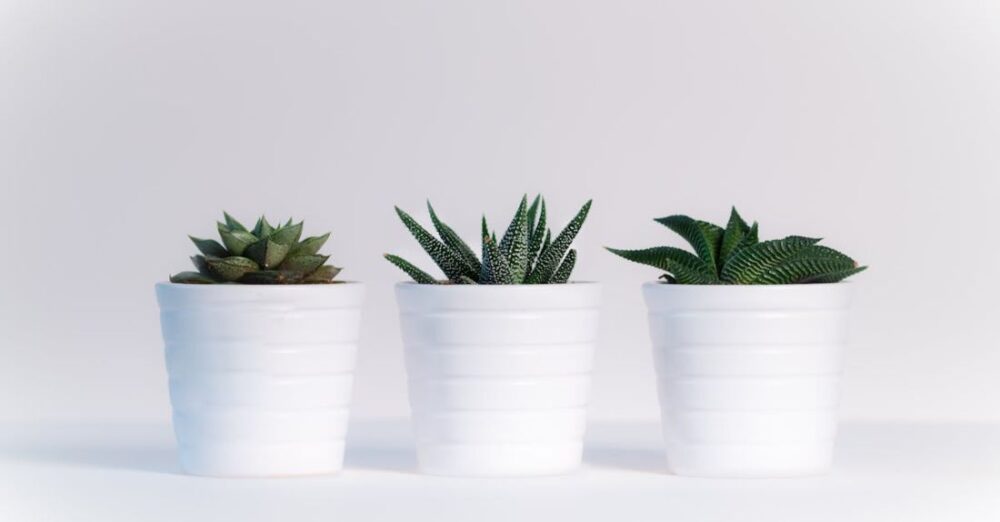
The plants of the Galapagos Islands have evolved a range of unique adaptations to survive in the harsh and variable environments found across the archipelago. From succulent cacti that store water in their stems to drought-resistant shrubs that can survive in arid conditions, the flora of the islands have developed specialized traits to thrive in challenging environments. These adaptations not only allow plants to survive in the face of adversity but also play a crucial role in supporting the diverse array of animal species that call the Galapagos home.
**Preservation and Conservation**
Given the unique and fragile nature of the Galapagos ecosystem, conservation efforts are essential to protect the plants and animals that inhabit the islands. In recent years, initiatives have been implemented to preserve native plant species, restore degraded habitats, and control the spread of invasive species that threaten the delicate balance of the ecosystem. By safeguarding the plants of the Galapagos Islands, we ensure the continued health and resilience of this remarkable ecosystem for future generations to enjoy.
**In Summary**
Plants are the foundation of the Galapagos ecosystem, providing essential habitat, food sources, and ecosystem services that support the diverse array of wildlife found across the islands. From stabilizing soil and preventing erosion to facilitating pollination and seed dispersal, plants play a crucial role in maintaining the delicate balance of this unique and biodiverse ecosystem. By understanding and protecting the plants of the Galapagos Islands, we can ensure the continued health and resilience of this remarkable natural treasure.