The Intriguing Connection Between Volcanic Soils and Galapagos Flora
Nestled in the Pacific Ocean, the Galapagos Islands are renowned for their unique biodiversity. From giant tortoises to blue-footed boobies, the archipelago is home to a vast array of flora and fauna found nowhere else on Earth. One of the key factors contributing to the rich plant life in the Galapagos is the volcanic soils that make up the islands. The intricate relationship between volcanic soils and Galapagos flora has shaped the evolution of the islands’ plant species and continues to influence their growth and adaptation today.
Volcanic Soils: A Fertile Foundation
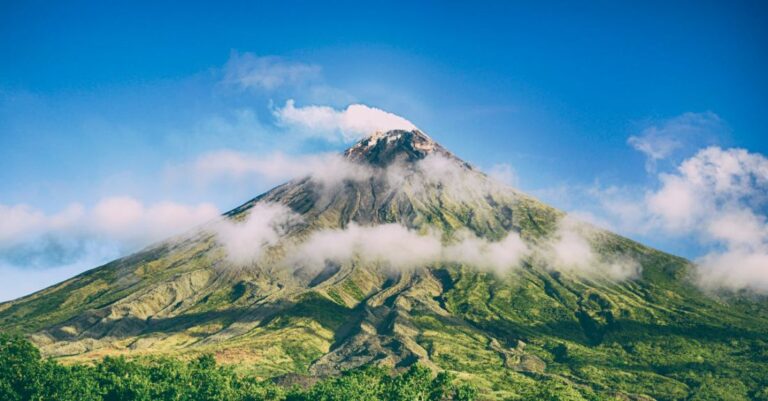
The Galapagos Islands were formed through volcanic activity millions of years ago, and the legacy of these eruptions can be seen in the islands’ soils. Volcanic soils are rich in minerals and nutrients, providing an ideal foundation for plant growth. The porous nature of volcanic soils allows for excellent drainage, preventing waterlogging and ensuring that plant roots have access to oxygen. This combination of fertility and drainage creates optimal conditions for a diverse range of plant species to thrive in the Galapagos.
Adaptations to Harsh Conditions
The harsh environmental conditions of the Galapagos, including strong winds, intense sunlight, and limited freshwater sources, have shaped the evolution of the islands’ flora. Plant species in the Galapagos have developed unique adaptations to survive in these challenging environments. The nutrient-rich volcanic soils play a crucial role in supporting these adaptations by providing plants with the essential minerals they need to thrive.
Endemic Species and Biodiversity
The Galapagos Islands are home to a high number of endemic plant species, meaning that they are found exclusively in the archipelago. The presence of volcanic soils has played a significant role in the evolution of these endemic species. The nutrient-rich soils have allowed plants to diversify and adapt to different ecological niches, leading to the development of a wide variety of unique plant species on the islands. The biodiversity of the Galapagos flora is a testament to the fertile foundation provided by the volcanic soils.
Succession and Ecosystem Development
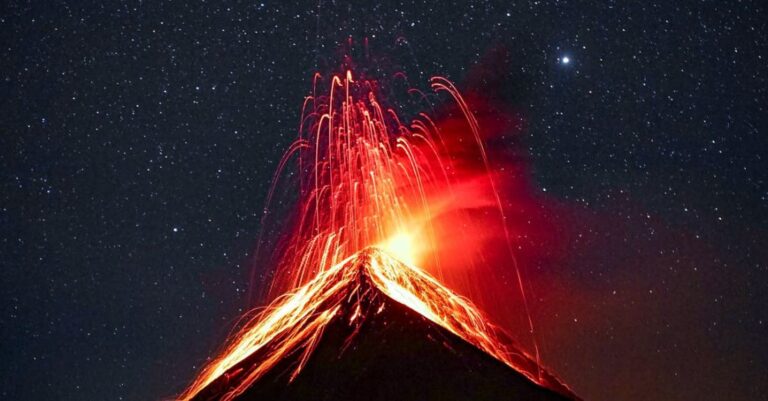
Volcanic eruptions are a common occurrence in the Galapagos, leading to the continuous formation of new land. This process of succession, where bare volcanic rock is colonized by pioneer plant species, is a key driver of ecosystem development in the archipelago. Over time, as the volcanic soils weather and mature, more complex plant communities can establish themselves, leading to the creation of diverse and stable ecosystems. The dynamic interplay between volcanic soils and plant life in the Galapagos is essential for the ongoing evolution and resilience of the islands’ ecosystems.
Sustainable Agriculture and Conservation
The unique properties of volcanic soils have also made them valuable for agricultural purposes in the Galapagos. Local farmers have been able to cultivate a variety of crops in the nutrient-rich soils, contributing to food security and economic sustainability in the region. However, the delicate balance between agriculture and conservation must be carefully maintained to ensure the long-term health of the islands’ ecosystems. Sustainable agricultural practices that prioritize soil conservation and biodiversity protection are essential for preserving the unique flora of the Galapagos for future generations.
Preserving the Legacy of Volcanic Soils
In conclusion, the influence of volcanic soils on Galapagos flora is a fascinating example of the intricate relationship between geology, ecology, and evolution. The fertile foundation provided by volcanic soils has allowed for the development of diverse plant communities and endemic species in the archipelago. As the Galapagos face increasing pressures from human activities and climate change, it is crucial to continue studying and preserving the legacy of volcanic soils to ensure the conservation of the unique flora of the islands. By understanding and appreciating the role of volcanic soils in shaping the Galapagos ecosystem, we can work towards a more sustainable future for this natural wonder.