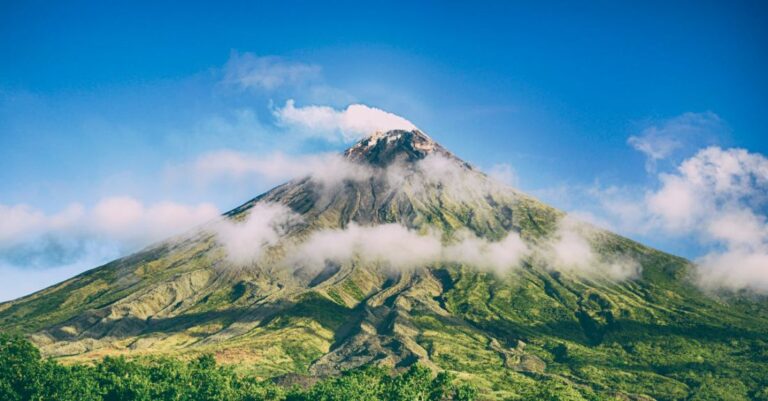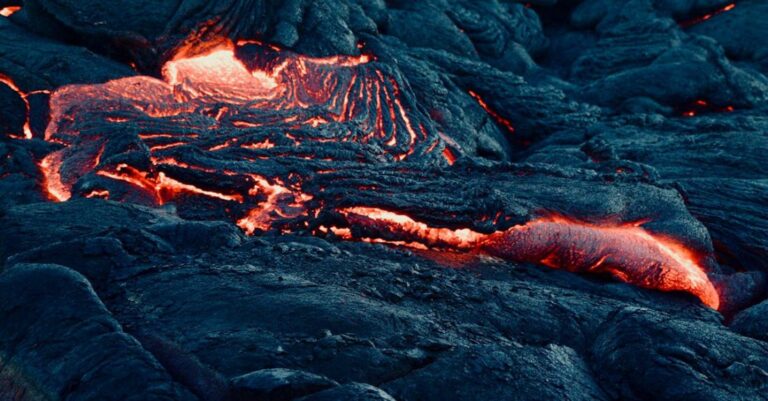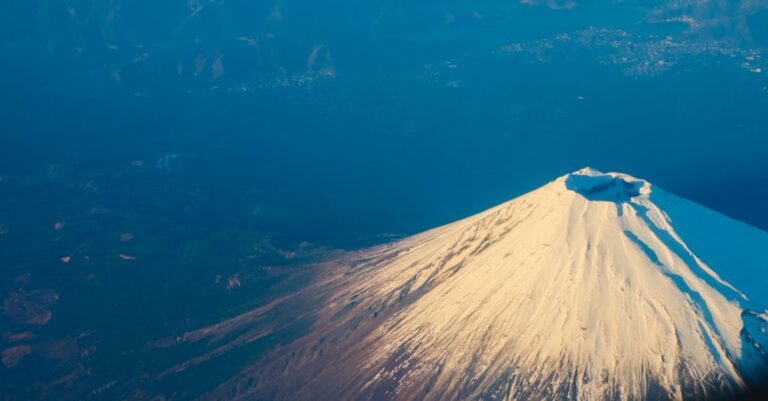
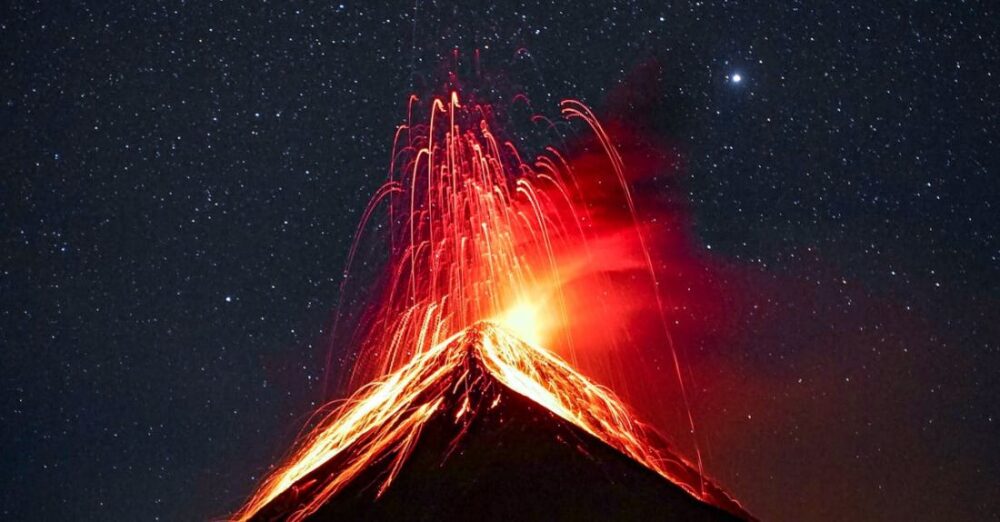
The Galapagos Islands, renowned for their unique biodiversity and captivating landscapes, are not only a haven for wildlife enthusiasts but also a hotbed of volcanic activity. Situated on the Pacific Ring of Fire, this archipelago is home to a dynamic ecosystem that is shaped and influenced by the powerful forces of volcanic eruptions. The impact of these eruptions on the Galapagos ecosystem is profound and multifaceted, affecting both the flora and fauna that call these islands home.
**Volcanic Soil Enrichment**
One of the most significant ways in which volcanic eruptions impact the Galapagos ecosystem is through soil enrichment. When volcanoes erupt, they release a variety of minerals and nutrients into the soil, creating fertile ground that is essential for the growth and development of plant life. This nutrient-rich soil provides the necessary resources for plants to thrive, leading to an increase in vegetation density and diversity across the islands.
**Succession and Adaptation**
Volcanic eruptions also play a crucial role in the process of ecological succession in the Galapagos Islands. As new land is formed through volcanic activity, pioneer species are quick to colonize the barren landscapes. Over time, these species pave the way for more complex plant communities to establish themselves, leading to a gradual process of succession. This process of adaptation and succession is integral to the resilience of the Galapagos ecosystem, allowing it to recover and regenerate in the aftermath of volcanic disturbances.
**Habitat Destruction and Fragmentation**
While volcanic eruptions contribute to the enrichment of the soil and the rejuvenation of the ecosystem, they also pose a threat to the existing habitat and biodiversity of the Galapagos Islands. The sudden and violent nature of volcanic eruptions can result in the destruction and fragmentation of habitats, displacing and endangering numerous plant and animal species. The loss of habitat can have far-reaching consequences for the delicate balance of the ecosystem, leading to disruptions in food chains and population dynamics.
**Species Resilience and Survival Strategies**
Despite the challenges posed by volcanic eruptions, the wildlife of the Galapagos Islands has developed remarkable resilience and survival strategies to cope with these natural disturbances. Many species have evolved unique adaptations that enable them to withstand the harsh conditions brought about by volcanic activity. From specialized diets to reproductive strategies, these adaptations allow the flora and fauna of the Galapagos to persist in the face of adversity, showcasing the remarkable resilience of the island’s biodiversity.
**Human Impact and Conservation Efforts**
In addition to the ecological effects of volcanic eruptions, human activities in the Galapagos Islands can also impact the fragile ecosystem. The growth of tourism, introduction of invasive species, and climate change all pose significant threats to the biodiversity of the islands. Conservation efforts, such as habitat restoration, species monitoring, and sustainable tourism practices, are crucial for mitigating these impacts and preserving the unique flora and fauna of the Galapagos for future generations.
**Preserving the Galapagos Ecosystem**
In conclusion, the impact of volcanic eruptions on the Galapagos ecosystem is a complex and multifaceted phenomenon that shapes the dynamics of the islands’ biodiversity. While volcanic activity can lead to habitat destruction and fragmentation, it also plays a vital role in soil enrichment, ecological succession, and species adaptation. By understanding and appreciating the interconnectedness of these processes, we can work towards preserving the delicate balance of the Galapagos ecosystem and ensuring the long-term sustainability of this extraordinary natural wonder.