The Galapagos Islands, located in the Pacific Ocean off the coast of Ecuador, are renowned for their unique geological features, particularly their volcanoes. These volcanoes have played a significant role in shaping the landscape of the islands and have contributed to the rich biodiversity that the Galapagos are famous for. Understanding the geological features of Galapagos volcanoes is essential for appreciating the natural beauty and scientific importance of this archipelago.
### Formation of Galapagos Volcanoes
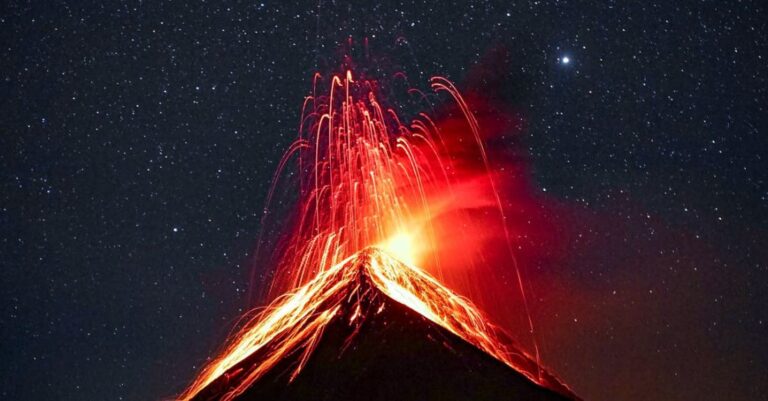
The Galapagos Islands are a product of the movement of the Nazca Plate over a hotspot in the Earth’s mantle. This hotspot has resulted in the formation of a chain of volcanoes that stretches across the ocean floor. As the Nazca Plate moves to the east, new volcanoes are formed, while older ones become extinct and erode over time. The volcanic activity in the region has given rise to a diverse range of volcano types, from shield volcanoes to stratovolcanoes.
### Shield Volcanoes
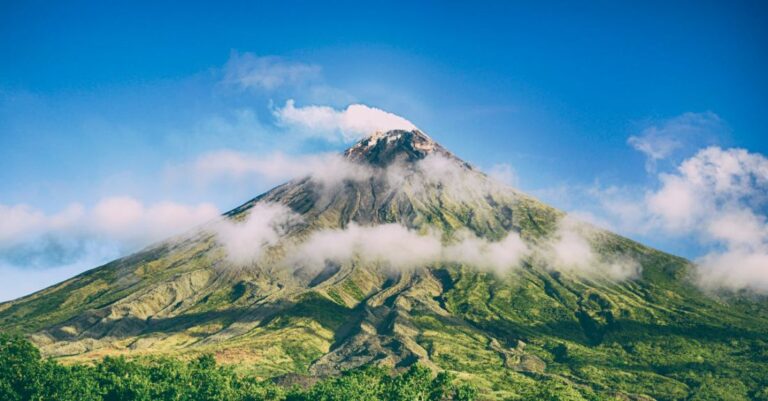
One of the most common types of volcanoes in the Galapagos Islands is the shield volcano. These volcanoes are characterized by their broad, gently sloping sides and large size. Shield volcanoes are formed by the accumulation of low-viscosity lava that flows easily over long distances. The shield volcanoes in the Galapagos are known for their impressive size, with some reaching heights of over 1,000 meters above sea level.
### Calderas
Calderas are large, crater-like depressions that form at the summit of some volcanoes. These depressions are typically formed when the magma chamber beneath a volcano empties during an eruption, causing the overlying rock to collapse. Calderas can vary in size, with some reaching several kilometers in diameter. The Galapagos Islands are home to several volcanoes with prominent calderas, such as Sierra Negra on Isabela Island.
### Lava Flows
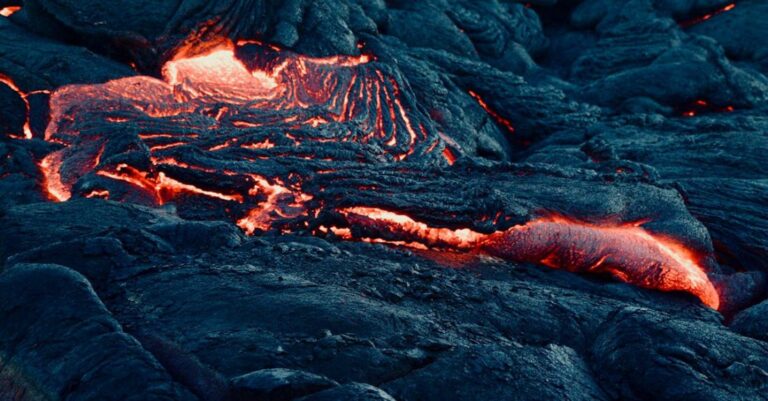
Lava flows are a common feature of volcanic activity in the Galapagos Islands. These flows occur when molten rock, or lava, erupts from a volcano and flows across the surface of the land. The lava can take on different forms, including pahoehoe, which is smooth and rope-like, and aa, which is rough and jagged. Lava flows play a crucial role in shaping the landscape of the islands and can be seen in various stages of erosion across the archipelago.
### Tuff Cones
Tuff cones are small, conical volcanic landforms that are formed when magma interacts with water. The interaction between the hot magma and the cool water causes explosive eruptions, which result in the accumulation of volcanic ash and debris around the vent. Over time, these materials solidify to form a tuff cone. The Galapagos Islands are home to several tuff cones, which can be found along the coastlines of various islands.
### Concluding Thoughts on Galapagos Volcanoes
The geological features of Galapagos volcanoes are a testament to the dynamic processes that have shaped the islands over millions of years. From the towering shield volcanoes to the intricate calderas and lava flows, each feature tells a story of the volcanic activity that continues to shape the archipelago today. By studying and appreciating these geological features, we can gain a deeper understanding of the natural history and scientific significance of the Galapagos Islands.