
The Fascinating Study of Galapagos Volcanoes
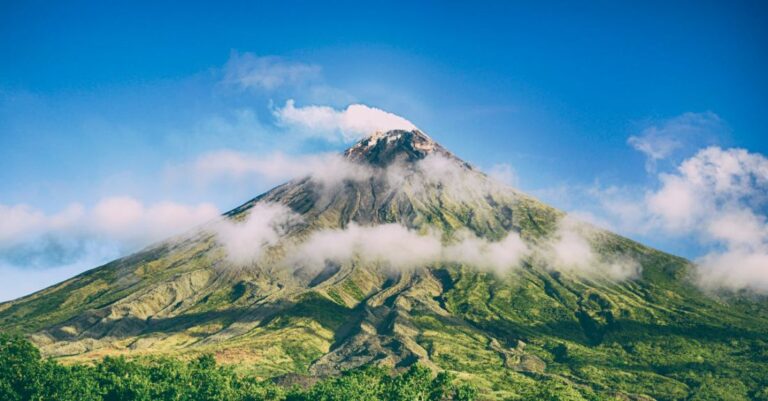
Nestled in the Pacific Ocean, the Galapagos Islands are renowned for their unique biodiversity and captivating landscapes. Among the most prominent features of these islands are their volcanoes, which have played a crucial role in shaping the archipelago over millions of years. Understanding the behavior and history of these volcanoes is essential not only for scientific research but also for monitoring potential hazards and preserving the delicate ecosystem of the Galapagos. So, how do scientists study Galapagos volcanoes?
Volcano Monitoring Techniques
One of the primary methods scientists use to study Galapagos volcanoes is through monitoring techniques. By employing a variety of instruments, such as seismometers, GPS receivers, and satellite imagery, researchers can track changes in volcanic activity in real-time. Seismometers are particularly useful for detecting volcanic tremors and earthquakes, which can indicate the movement of magma beneath the surface. GPS receivers provide valuable data on ground deformation, allowing scientists to map out the shape of the volcano and identify potential eruption sites. Satellite imagery, on the other hand, offers a bird’s eye view of the entire island, enabling researchers to monitor changes in land surface temperature, gas emissions, and lava flows.
Geochemical Analysis
Another key aspect of studying Galapagos volcanoes is geochemical analysis. By collecting and analyzing rock samples from different volcanic formations, scientists can gain insights into the composition and origin of magma beneath the surface. Isotope analysis, in particular, can reveal the age of volcanic rocks and help establish a timeline of past eruptions. By studying the chemical signatures present in volcanic gases, researchers can also predict the likelihood of an impending eruption and assess the potential impact on the surrounding environment.
Lava Flow Modeling
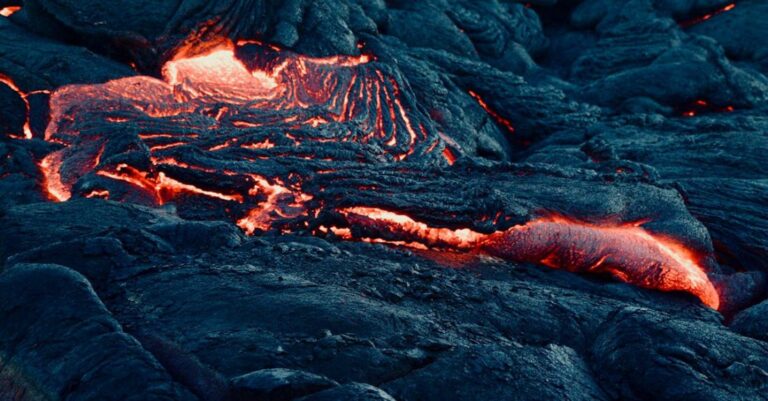
Lava flow modeling is a crucial tool for understanding the behavior of Galapagos volcanoes during eruptions. By simulating various eruption scenarios based on historical data and geological surveys, scientists can predict the path and speed of lava flows, as well as estimate the extent of potential damage to nearby communities. This information is vital for disaster preparedness and risk assessment, allowing authorities to implement evacuation plans and establish hazard zones in the event of a volcanic eruption.
Remote Sensing Techniques
Remote sensing techniques, such as thermal imaging and drone surveys, have revolutionized the way scientists study Galapagos volcanoes. Thermal imaging cameras can detect changes in surface temperature, which may indicate the presence of hotspots or lava flows. Drones equipped with high-resolution cameras can capture detailed images of volcanic craters and fissures, providing researchers with valuable data on the topography and morphology of the volcano. These tools not only enhance our understanding of volcanic processes but also allow scientists to monitor remote or inaccessible areas of the island with ease.
Risk Mitigation Strategies
In light of the potential hazards posed by Galapagos volcanoes, scientists work closely with local authorities to develop risk mitigation strategies and emergency response plans. By combining their expertise in volcano monitoring, geochemical analysis, and lava flow modeling, researchers can provide timely warnings and recommendations to minimize the impact of volcanic eruptions on human settlements and the environment. Education and public awareness campaigns also play a crucial role in preparing the local community for potential volcanic hazards and ensuring their safety in the event of an emergency.
In Conclusion:
The study of Galapagos volcanoes is a multifaceted and dynamic field that requires a combination of cutting-edge technology, fieldwork, and collaboration among scientists from different disciplines. By monitoring volcanic activity, analyzing geochemical data, modeling lava flows, and employing remote sensing techniques, researchers can unravel the mysteries of these majestic structures and contribute to the safety and preservation of the Galapagos Islands. Through their dedication and expertise, scientists continue to push the boundaries of knowledge and innovation in the study of Galapagos volcanoes, paving the way for a deeper understanding of our planet’s geological processes.