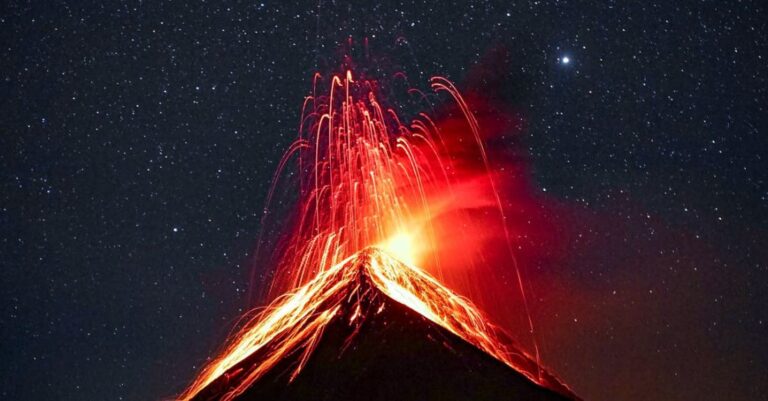
Nestled in the Pacific Ocean, the Galapagos Islands are a haven for unique wildlife species. However, the volcanic activity that created these enchanting islands also poses a significant impact on the wildlife that calls this archipelago home. Volcanoes in the Galapagos have a complex relationship with the wildlife, influencing their habitats, food sources, and overall survival. Understanding how volcanoes affect wildlife in the Galapagos is crucial to conservation efforts in this ecologically diverse region.
**Impact on Habitats**
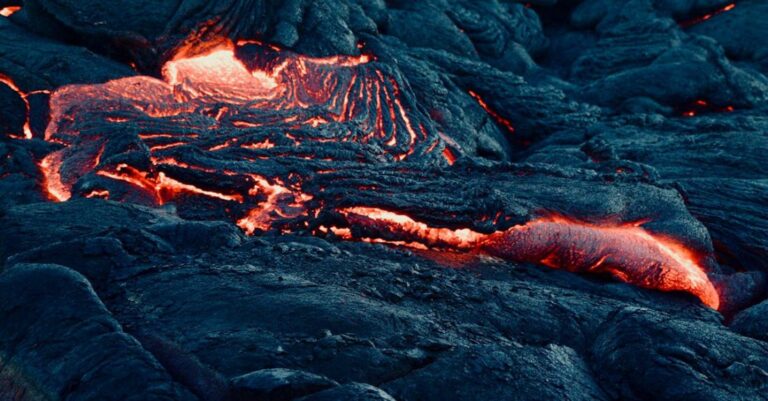
Volcanic eruptions in the Galapagos can dramatically alter the landscape, reshaping habitats and disrupting ecosystems. Lava flows can destroy vegetation, leaving animals without food sources and shelter. The sudden changes in terrain can force wildlife to migrate to different areas in search of suitable habitats, putting pressure on already limited resources. For species with specific habitat requirements, such as the Galapagos giant tortoises, volcanic eruptions can have long-lasting effects on their populations. The loss of critical habitat can lead to declines in population numbers and even local extinctions.
**Changes in Food Availability**
Volcanic eruptions can also impact the availability of food for wildlife in the Galapagos. Ash fallout from eruptions can contaminate water sources and vegetation, making them unsuitable for consumption. This can lead to food shortages for herbivorous species, such as the iconic finches and tortoises of the Galapagos. In turn, this scarcity of food can disrupt the delicate balance of the food chain, affecting predators that rely on these herbivores for sustenance. The altered availability of food resources can trigger changes in wildlife behavior, migration patterns, and even reproductive success rates.
**Adaptation and Resilience**
Despite the challenges posed by volcanic activity, the wildlife in the Galapagos has demonstrated remarkable resilience and adaptation to these natural disturbances. Over time, species have evolved mechanisms to cope with the effects of volcanic eruptions, such as developing specialized diets or breeding strategies. For instance, some bird species in the Galapagos have been observed scavenging on insects that are attracted to fresh lava flows, taking advantage of new food sources created by volcanic activity. These adaptive behaviors showcase the remarkable ability of Galapagos wildlife to survive in a dynamic and ever-changing environment.
**Conservation Strategies**
To mitigate the impacts of volcanic activity on wildlife in the Galapagos, conservation efforts play a crucial role in preserving biodiversity and protecting vulnerable species. Monitoring volcanic activity in real-time allows researchers and conservationists to anticipate potential threats to wildlife and implement strategies to minimize harm. Establishing protected areas and wildlife corridors can help ensure that species have access to suitable habitats and resources, even in the aftermath of volcanic eruptions. Additionally, raising awareness about the importance of conserving the unique flora and fauna of the Galapagos can garner support for conservation initiatives and sustainable practices.
**Looking Ahead**
As the Galapagos Islands continue to be shaped by volcanic activity, the relationship between volcanoes and wildlife remains a dynamic and evolving process. Understanding the intricate ways in which volcanic eruptions impact the ecosystems of the Galapagos is essential for conservation efforts aimed at preserving the rich biodiversity of this iconic archipelago. By studying how wildlife adapts to and interacts with volcanic disturbances, researchers can gain valuable insights into the resilience of species and the mechanisms that drive ecosystem dynamics in this unique environment. Ultimately, safeguarding the wildlife of the Galapagos in the face of volcanic challenges requires a collaborative and proactive approach that prioritizes the protection of these fragile ecosystems for generations to come.