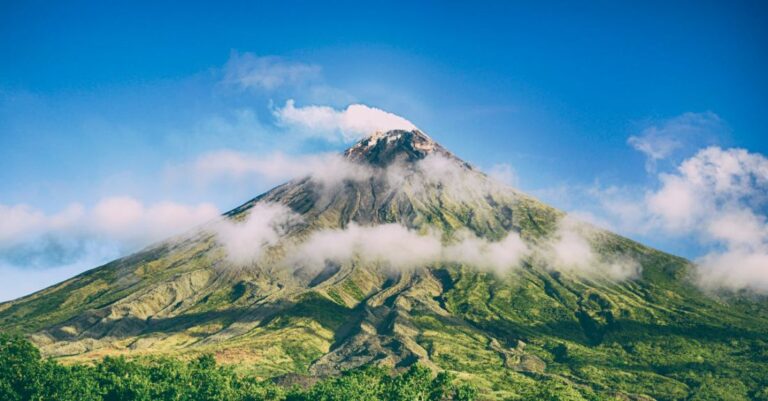

Located in the Pacific Ocean, the Galapagos Islands are renowned for their unique biodiversity and stunning landscapes. One of the most iconic features of this archipelago is its volcanoes. The Galapagos Islands are home to several volcanoes, each with its own distinct characteristics and history. Let’s delve into the main volcanoes that make up this fascinating volcanic chain.
**Sierra Negra Volcano**
Sierra Negra is one of the most active volcanoes in the Galapagos Islands, located on Isabela Island. This shield volcano boasts one of the largest calderas in the world, stretching over six miles in diameter. Its most recent eruption occurred in 2018, creating spectacular lava flows and showcasing the dynamic nature of the islands.
**Wolf Volcano**
Situated on Isabela Island, Wolf Volcano is the highest point in the Galapagos, rising over 5,600 feet above sea level. This volcano is known for its impressive size and diverse flora and fauna. Wolf Volcano last erupted in 2015, sending plumes of ash and steam into the air, captivating visitors with its raw power.
**Alcedo Volcano**
Alcedo Volcano, also located on Isabela Island, is one of the most active volcanoes in the Galapagos. This imposing shield volcano is home to a large population of giant tortoises, adding to its allure for nature enthusiasts. The last eruption of Alcedo Volcano took place in 1993, leaving a lasting impact on the surrounding landscape.
**Fernandina Volcano**
Fernandina Volcano, found on Fernandina Island, is one of the most pristine and untouched volcanic environments in the Galapagos. This shield volcano is known for its frequent eruptions, with the most recent one occurring in 2021. Fernandina Volcano offers a glimpse into the raw, untouched beauty of the Galapagos Islands.
**Cerro Azul Volcano**
Cerro Azul, located on the southern tip of Isabela Island, is one of the most active volcanoes in the Galapagos. This shield volcano features a unique landscape of lava fields and lush vegetation, providing a stark contrast between destruction and regeneration. Cerro Azul last erupted in 2008, leaving a trail of lava flows in its wake.
**Darwin Volcano**
Darwin Volcano, situated on Isabela Island, is a dormant volcano that showcases the geological history of the Galapagos Islands. This volcano is named after the renowned naturalist Charles Darwin and offers visitors a chance to witness the power and beauty of volcanic landscapes. While dormant, Darwin Volcano serves as a reminder of the dynamic forces that shape the natural world.
**Conclusion: Exploring the Volcanic Wonders of the Galapagos**
The Galapagos Islands are a treasure trove of natural wonders, with their volcanoes playing a central role in shaping the landscape and ecosystem of the archipelago. From the active eruptions of Sierra Negra and Fernandina to the dormant beauty of Darwin Volcano, each volcano in the Galapagos tells a unique story of power and resilience. As visitors explore these volcanic wonders, they are treated to a glimpse of the raw forces that have shaped this remote and extraordinary corner of the world.