Nestled in the Pacific Ocean, the Galapagos Islands are renowned for their unique biodiversity and pristine marine ecosystems. Home to a dazzling array of marine life, including iconic species such as sea lions, marine iguanas, and Galapagos penguins, these islands are a paradise for nature lovers and conservationists alike. However, this delicate balance is increasingly threatened by human activities, with fishing being a major concern. The impact of fishing on marine life in the Galapagos is significant and multifaceted, with both positive and negative consequences for the ecosystem.
**The Importance of Marine Life in the Galapagos**
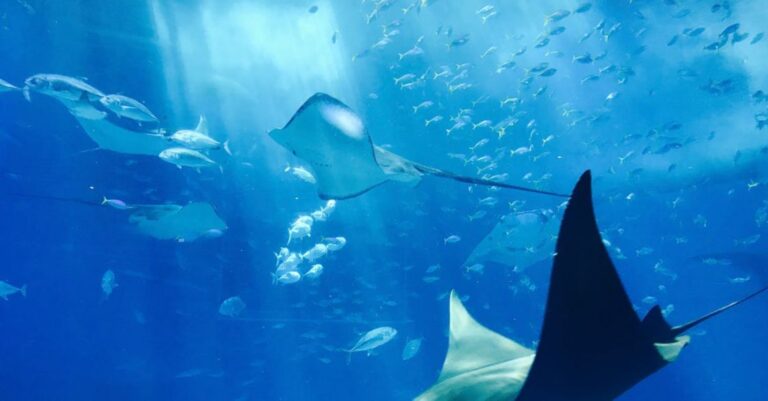
Before delving into the effects of fishing on marine life in the Galapagos, it is essential to understand the critical role that these species play in the ecosystem. Marine life in the Galapagos serves as the foundation of the food chain, supporting a complex web of interactions that sustain the entire ecosystem. From microscopic plankton to apex predators like sharks and whales, each species plays a vital role in maintaining the balance of the marine environment. The health of these populations is crucial not only for the Galapagos but also for the broader oceanic ecosystem.
**Overfishing and Depletion of Fish Stocks**
One of the most significant impacts of fishing on marine life in the Galapagos is the threat of overfishing and depletion of fish stocks. Commercial fishing operations, both legal and illegal, target valuable species such as tuna, sharks, and groupers, leading to a decline in their populations. Overfishing disrupts the natural balance of the ecosystem, affecting not only the targeted species but also their predators and prey. As key species disappear or decline in numbers, the entire food chain is destabilized, with potentially devastating consequences for the marine environment.
**Bycatch and Collateral Damage**
In addition to overfishing, another major concern related to fishing in the Galapagos is the issue of bycatch. Bycatch refers to the unintentional capture of non-target species, including endangered or protected marine animals such as sea turtles, seabirds, and marine mammals. Despite efforts to minimize bycatch through the use of selective fishing gear and techniques, incidental capture remains a significant threat to the conservation of marine life in the Galapagos. The loss of these species not only impacts their populations but also disrupts the delicate balance of the ecosystem.
**Habitat Destruction and Marine Ecosystems**
The methods used in fishing, such as bottom trawling and longlining, can also cause physical damage to marine habitats in the Galapagos. Bottom trawling, in particular, involves dragging heavy nets along the seafloor, destroying fragile coral reefs and seagrass beds that serve as essential habitats for many marine species. Disruption of these habitats can have cascading effects on the entire ecosystem, leading to declines in biodiversity and productivity. Protecting these critical habitats is essential for maintaining the health and resilience of marine life in the Galapagos.
**Sustainable Fishing Practices and Conservation Efforts**
Despite the challenges posed by fishing, there are efforts underway to promote sustainable fishing practices and conservation in the Galapagos. Marine protected areas have been established to safeguard important habitats and species, providing refuge for marine life to thrive. Additionally, local communities and authorities are working together to enforce fishing regulations, monitor fishing activities, and promote responsible fishing practices. By balancing the needs of human communities with the conservation of marine ecosystems, these initiatives aim to ensure the long-term health and viability of marine life in the Galapagos.
**Preserving the Marine Heritage of the Galapagos**
In conclusion, fishing has a significant impact on marine life in the Galapagos, with both positive and negative consequences for the ecosystem. Overfishing, bycatch, habitat destruction, and other issues pose serious threats to the delicate balance of the marine environment. However, through sustainable fishing practices, conservation efforts, and community engagement, it is possible to preserve the unique marine heritage of the Galapagos for future generations. By recognizing the importance of marine life and taking proactive steps to protect it, we can ensure that these iconic islands remain a beacon of biodiversity and conservation in the Pacific Ocean.