
Nurturing a Respectful Relationship with Marine Life in the Galapagos
The Galapagos Islands are a treasure trove of marine biodiversity, attracting tourists from around the world to witness its stunning underwater world. Interacting with marine life in the Galapagos is a unique and unforgettable experience, but it comes with a responsibility to protect and preserve these fragile ecosystems. To ensure a safe and sustainable interaction with marine life in the Galapagos, tourists must adhere to guidelines and best practices that prioritize the well-being of the animals and their habitats. Here are some essential tips for tourists to safely and ethically interact with marine life in the Galapagos.
Respect the Wildlife’s Space and Behavior
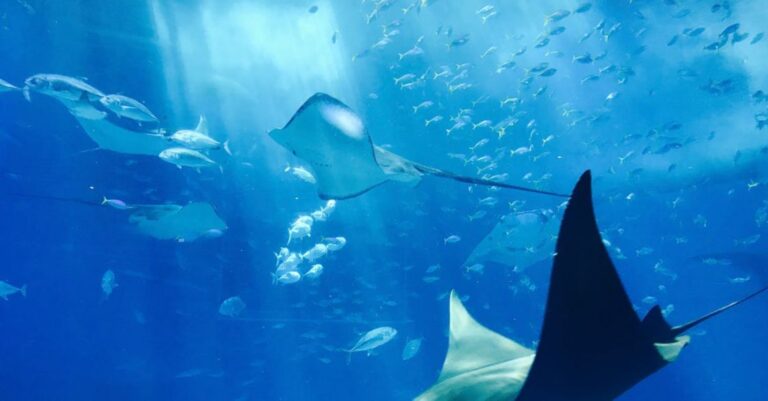
When encountering marine life in the Galapagos, it is crucial to maintain a safe distance and avoid disturbing or touching the animals. While it may be tempting to get closer for a better view or a photo opportunity, it is important to remember that these are wild animals in their natural habitat. Approach slowly and quietly, and always give the animals plenty of space to move freely without feeling threatened or stressed. Observing the wildlife from a respectful distance not only ensures their safety but also enhances the authenticity of the experience.
Snorkeling and Diving Etiquette
Snorkeling and diving are popular activities in the Galapagos, offering tourists a glimpse into the mesmerizing underwater world teeming with marine life. When engaging in these activities, it is essential to practice good snorkeling and diving etiquette to minimize the impact on the marine environment. Avoid touching or chasing marine animals, and refrain from feeding them, as this can disrupt their natural behavior and diet. Be mindful of your movements to prevent accidentally damaging coral reefs or other fragile habitats. By following these guidelines, you can enjoy a memorable underwater adventure while safeguarding the marine ecosystem.
Choose Responsible Tour Operators
Selecting a reputable and responsible tour operator is key to ensuring a safe and sustainable experience with marine life in the Galapagos. Look for operators that prioritize environmental conservation and adhere to strict guidelines for wildlife interaction. Opt for eco-friendly tours that limit the number of visitors and emphasize education and awareness about the local marine environment. By choosing a responsible tour operator, you can support sustainable tourism practices and contribute to the long-term preservation of the Galapagos Islands.
Learn About Local Marine Life
Before embarking on your Galapagos adventure, take the time to educate yourself about the diverse marine species that inhabit the islands. Understanding the behavior, habitat, and conservation status of the local marine life will enhance your appreciation for these incredible creatures and help you interact with them in a respectful manner. Consider joining guided tours or informational sessions led by knowledgeable naturalists who can provide insights into the unique marine ecosystems of the Galapagos. By learning about the importance of conservation efforts in the region, you can become a more conscientious and informed visitor.
Support Conservation Initiatives
As a responsible tourist, you have the power to make a positive impact on marine conservation efforts in the Galapagos. Support local initiatives and organizations dedicated to protecting the marine environment and wildlife of the islands. Consider volunteering for beach clean-up activities, participating in citizen science projects, or donating to conservation programs that work to preserve the delicate balance of the marine ecosystems. By actively contributing to conservation initiatives, you can help ensure that future generations will have the opportunity to experience the beauty and wonder of the Galapagos Islands.
Embrace Sustainable Travel Practices
In addition to respecting marine life during your visit to the Galapagos, embracing sustainable travel practices can further minimize your environmental footprint and support conservation efforts. Choose eco-friendly accommodations, reduce plastic waste, and opt for reef-safe sunscreen to protect the fragile marine ecosystems. Respect local regulations and guidelines aimed at preserving the natural beauty of the islands, and be mindful of your impact on the environment throughout your stay. By making conscious choices as a traveler, you can help protect the marine life of the Galapagos for generations to come.
Preserving the Wonders of the Galapagos
By following these guidelines and best practices, tourists can enjoy a safe and enriching experience interacting with marine life in the Galapagos while contributing to the conservation of these extraordinary ecosystems. Nurturing a respectful relationship with the wildlife and habitats of the islands is essential to preserving the natural wonders of the Galapagos for future generations to appreciate and cherish. Let us all play our part in safeguarding the marine life of the Galapagos and fostering a sustainable and harmonious coexistence with these magnificent creatures.