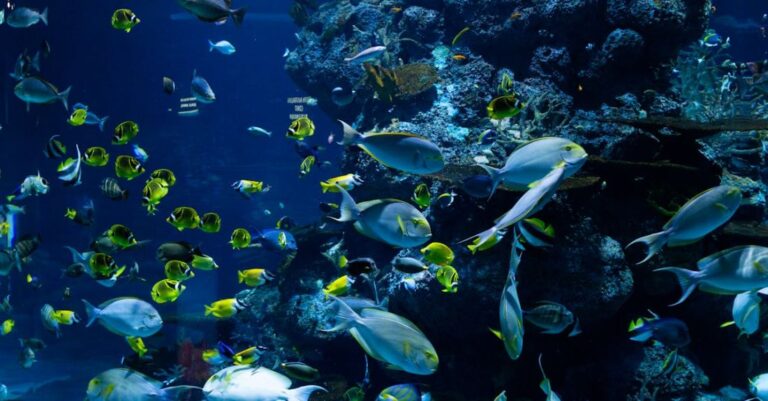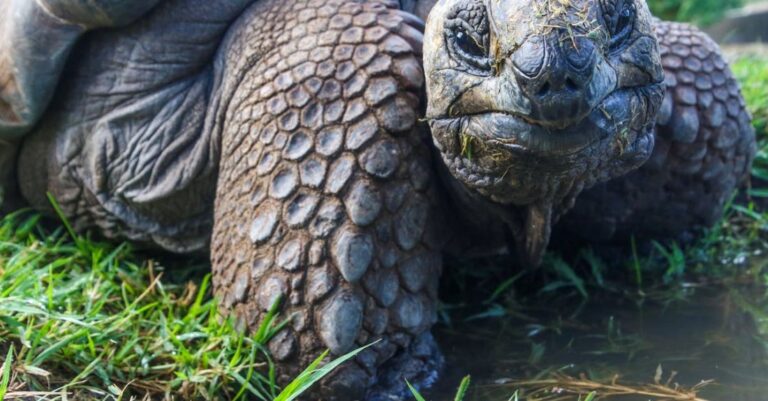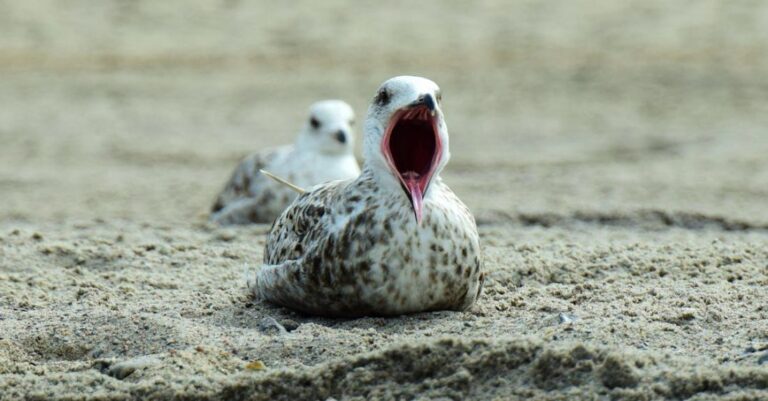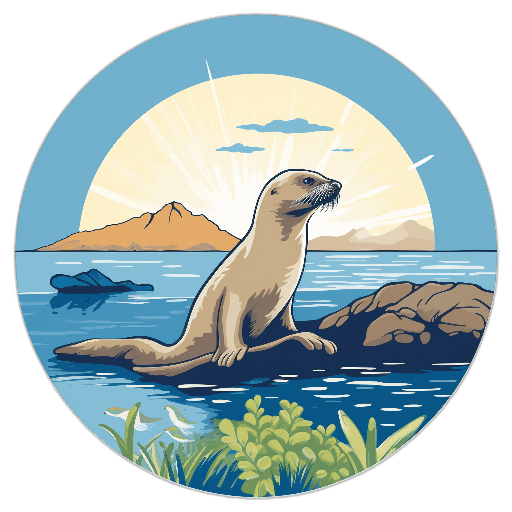

The Galapagos Islands, located in the Pacific Ocean, are renowned for their unique biodiversity and pristine marine environments. However, these fragile ecosystems face numerous threats that endanger the marine life that calls these waters home. From human activities to natural phenomena, the Galapagos marine life is confronting a range of challenges that require immediate attention and action to ensure their survival.
Human Overfishing
One of the major threats to Galapagos marine life is human overfishing. The waters surrounding the islands are rich in marine species, attracting fishing vessels from around the world. Overfishing disrupts the delicate balance of the marine ecosystem, leading to the depletion of key species such as sharks, sea cucumbers, and groupers. This imbalance can have cascading effects on the entire food chain, ultimately impacting the biodiversity of the region.
Pollution
Pollution, both from land-based sources and marine activities, poses a significant threat to the Galapagos marine life. Oil spills, plastic waste, and chemical runoff can contaminate the waters and endanger marine species. Plastic debris, in particular, poses a grave danger to marine animals such as sea turtles, seabirds, and marine mammals, which can ingest or become entangled in plastic waste, leading to injury or death. Efforts to reduce pollution and clean up the marine environment are crucial to protecting the fragile ecosystems of the Galapagos Islands.
Climate Change
Climate change is another major threat facing Galapagos marine life. Rising sea temperatures, ocean acidification, and extreme weather events can have devastating impacts on coral reefs, fish populations, and other marine species. Coral bleaching, for example, occurs when corals expel the algae living in their tissues due to stress from factors like increased water temperatures. This phenomenon can lead to the death of coral reefs, depriving marine organisms of essential habitats and food sources. Addressing climate change through global efforts to reduce greenhouse gas emissions is essential to safeguarding the future of the Galapagos marine ecosystems.
Invasive Species
The introduction of invasive species is a significant threat to the native marine life of the Galapagos Islands. Invasive species, whether plants, animals, or microorganisms, can outcompete native species for resources, disrupt ecosystems, and alter the natural balance of the marine environment. In the Galapagos, invasive species such as the green algae Caulerpa racemosa and the blackberry cactus have invaded coastal areas, threatening the biodiversity of the region. Effective management strategies, such as eradication programs and biosecurity measures, are essential to prevent further introductions of invasive species and protect the native marine fauna of the islands.
Illegal Fishing
Illegal fishing activities, including poaching and the use of destructive fishing methods, pose a serious threat to Galapagos marine life. Poachers target endangered species such as sharks and sea cucumbers for their fins and lucrative markets, putting additional pressure on already vulnerable populations. Destructive fishing practices, such as using dynamite or cyanide to catch fish, can destroy coral reefs and other marine habitats, leading to long-term damage to the ecosystem. Strengthening enforcement measures and promoting sustainable fishing practices are crucial steps to combat illegal fishing and protect the marine biodiversity of the Galapagos Islands.
Protecting Galapagos Marine Life
The conservation of Galapagos marine life is a complex and multifaceted challenge that requires collaboration between governments, conservation organizations, local communities, and the global community. By addressing the major threats facing the marine ecosystems of the Galapagos Islands, such as overfishing, pollution, climate change, invasive species, and illegal fishing, we can work together to preserve these unique and irreplaceable environments for future generations. Through sustainable management practices, marine protected areas, and public awareness campaigns, we can ensure the long-term health and vitality of the Galapagos marine life and the ecosystems they depend on. Together, we can make a difference in safeguarding the natural wonders of the Galapagos Islands for years to come.