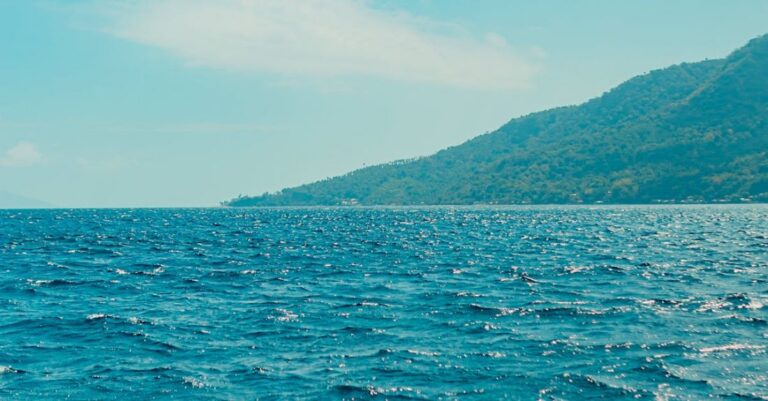
Nestled in the Pacific Ocean, the Galapagos Islands boast a unique and diverse marine ecosystem that plays a crucial role in the balance of life both within the archipelago and beyond. This article delves into how this intricate marine system functions, highlighting the key components that make it a thriving hub of biodiversity.
**The Galapagos Islands: A Marine Paradise**
The Galapagos Islands, a UNESCO World Heritage Site, are renowned for their extraordinary biodiversity, both on land and in the surrounding waters. The marine ecosystem of the Galapagos is a complex web of interactions between various organisms, each playing a vital role in maintaining the health of the ecosystem as a whole.
**Rich Marine Biodiversity**
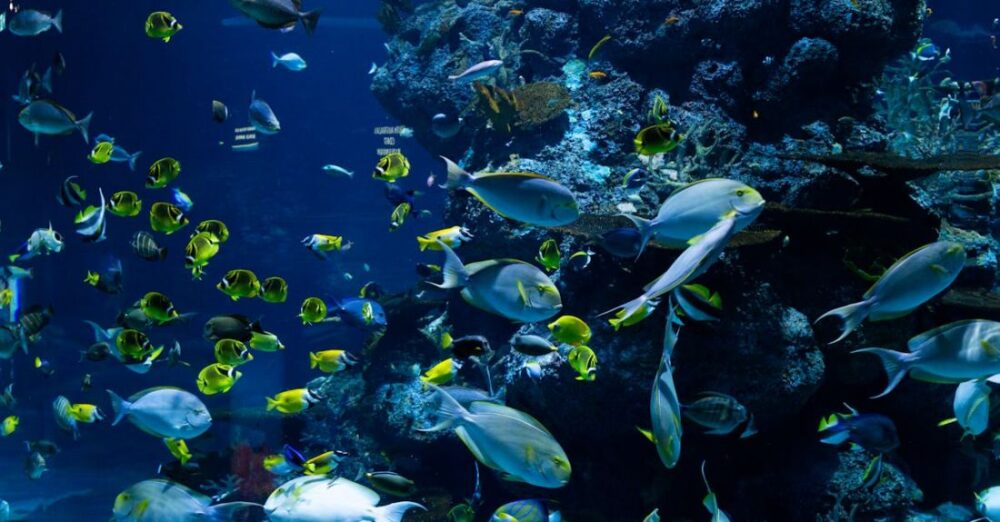
One of the defining features of the Galapagos marine ecosystem is its rich biodiversity. The waters surrounding the islands are home to a vast array of marine species, from colorful reef fish to majestic sharks and rays. This diversity is a result of the unique oceanographic conditions in the region, including the convergence of different currents and the presence of nutrient-rich waters.
**Keystone Species: Sharks and Sea Lions**
Within the Galapagos marine ecosystem, certain species play a disproportionate role in maintaining the balance of the ecosystem. Sharks, as apex predators, help regulate the population of other marine species, preventing any one species from becoming too dominant. Similarly, sea lions, with their voracious appetites for fish, help control the population of prey species, ensuring that the ecosystem remains in equilibrium.
**Symbiotic Relationships: Coral Reefs and Algae**
Symbiotic relationships are common in the Galapagos marine ecosystem, where different species rely on each other for survival. Coral reefs, for example, provide a habitat for a multitude of marine species, offering shelter and protection. In return, algae living within the coral provide nutrients through photosynthesis, benefiting both the coral and the algae in a mutually beneficial relationship.
**The Role of Marine Protected Areas**
Marine protected areas (MPAs) play a crucial role in conserving the fragile marine ecosystem of the Galapagos. These designated areas help safeguard the biodiversity of the region by limiting human activities such as fishing and tourism, allowing marine species to thrive undisturbed. By creating safe havens for marine life, MPAs contribute to the overall health and resilience of the ecosystem.
**Human Impact: Conservation Efforts**
Despite its remote location, the Galapagos marine ecosystem is not immune to human impact. Pollution, overfishing, and climate change pose significant threats to the delicate balance of the ecosystem. Conservation efforts led by local authorities and environmental organizations aim to mitigate these threats through sustainable fishing practices, waste management initiatives, and educational programs to raise awareness about the importance of preserving this unique marine environment.
**In Conclusion: Preserving a Natural Wonder**
The marine ecosystem of the Galapagos is a testament to the intricate interplay of species and habitats that make up this extraordinary archipelago. By understanding and protecting this delicate balance, we can ensure that future generations will continue to marvel at the wonders of the Galapagos marine ecosystem. Through conservation efforts and sustainable practices, we can safeguard this natural treasure for years to come, allowing its beauty and biodiversity to flourish for generations to come.