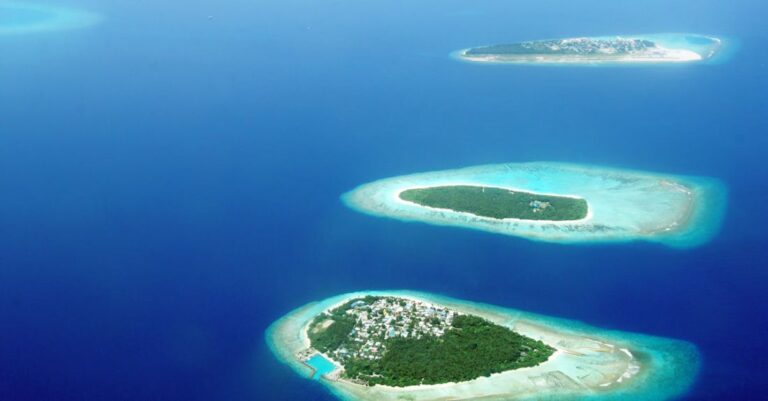

The Galapagos Islands, located in the Pacific Ocean off the coast of Ecuador, are renowned for their unique biodiversity and delicate ecosystems. As a UNESCO World Heritage Site, these islands face numerous threats due to human activities, climate change, and invasive species. Efforts to conserve the Galapagos Islands have been ongoing for decades to ensure the preservation of this natural wonder for future generations.
Preservation Through Strict Regulations
One of the key efforts to conserve the Galapagos Islands is the implementation of strict regulations to protect the fragile ecosystems. The Galapagos National Park, established in 1959, enforces rules to limit human impact on the islands. These regulations include restrictions on fishing, tourism activities, and the introduction of non-native species. By strictly enforcing these regulations, the park aims to minimize disturbances to the natural habitats of the islands and safeguard the unique flora and fauna that call the Galapagos home.
Innovative Conservation Strategies
In addition to regulatory measures, conservationists in the Galapagos Islands have implemented innovative strategies to protect the environment. One such initiative is the eradication of invasive species that threaten native wildlife. Invasive species, such as rats and feral cats, can decimate local populations of birds, reptiles, and plants. Conservationists have employed techniques like the use of traps, poison bait stations, and even specially trained dogs to remove invasive species from the islands, allowing native species to thrive once again.
Community Involvement and Education
Another crucial aspect of conservation efforts in the Galapagos Islands is community involvement and education. Local communities play a vital role in preserving the islands’ ecosystems by participating in conservation projects, sustainable tourism practices, and environmental education programs. By engaging with residents and visitors alike, conservationists can raise awareness about the importance of protecting the Galapagos Islands and inspire others to take action to preserve this unique natural heritage.
Climate Change Adaptation
Climate change poses a significant threat to the Galapagos Islands, with rising sea levels, ocean acidification, and extreme weather events impacting the delicate balance of the ecosystems. Conservation efforts in the Galapagos now include measures to mitigate and adapt to the effects of climate change. These strategies may involve ecosystem restoration, the introduction of drought-resistant plant species, and the development of sustainable energy solutions to reduce carbon emissions on the islands.
Research and Monitoring
Continuous research and monitoring are essential components of conservation efforts in the Galapagos Islands. Scientists and conservationists conduct field studies, surveys, and data collection to understand the changing dynamics of the ecosystems and track the effectiveness of conservation measures. By monitoring key indicators such as population trends, habitat quality, and species diversity, researchers can identify emerging threats and implement targeted conservation strategies to address them.
Sustainable Tourism Practices
Tourism is a vital source of income for the Galapagos Islands, but it also poses a risk to the fragile ecosystems if not managed sustainably. Conservation efforts in the Galapagos include promoting responsible tourism practices that minimize environmental impact and support local communities. Sustainable tourism initiatives focus on limiting visitor numbers, educating tourists about conservation issues, and encouraging eco-friendly activities that help preserve the natural beauty of the islands.
Conclusion: A Bright Future for the Galapagos Islands
Despite the challenges facing the Galapagos Islands, ongoing conservation efforts give hope for a brighter future for this unique archipelago. Through strict regulations, innovative strategies, community involvement, climate change adaptation, research, and sustainable tourism practices, the Galapagos Islands can continue to thrive as a haven for biodiversity and a model for conservation worldwide. By working together to protect and preserve this natural wonder, we can ensure that the Galapagos Islands remain a living laboratory of evolution and a testament to the power of conservation efforts in safeguarding our planet’s most precious ecosystems.