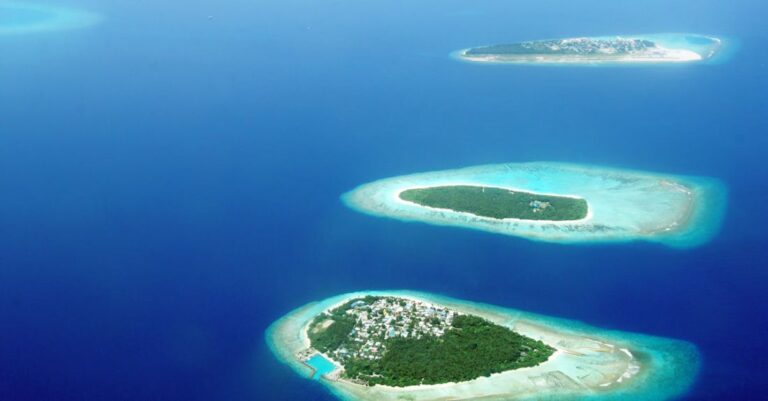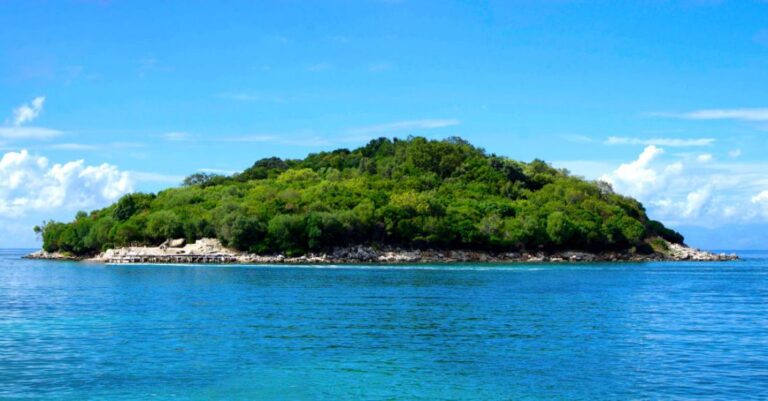
The intricate and captivating landscapes of islands often hold within them the fiery forces of nature – volcanoes. These majestic landforms have shaped the very essence of many islands around the world, leaving behind a legacy of destruction and creation. From the black sand beaches of Hawaii to the lush greenery of the Azores, volcanic activity plays a crucial role in the formation and evolution of these unique land masses.
**The Birth of Islands**
Islands are born from the depths of the Earth, where tectonic plates collide and magma rises to the surface. Volcanic activity is the key ingredient in the formation of many islands, as eruptions spew molten rock and ash, building up landmasses over time. These eruptions can occur both on land, creating towering volcanic peaks, and under the sea, forming underwater volcanoes that eventually break the surface to form new islands.
**Shaping the Landscape**
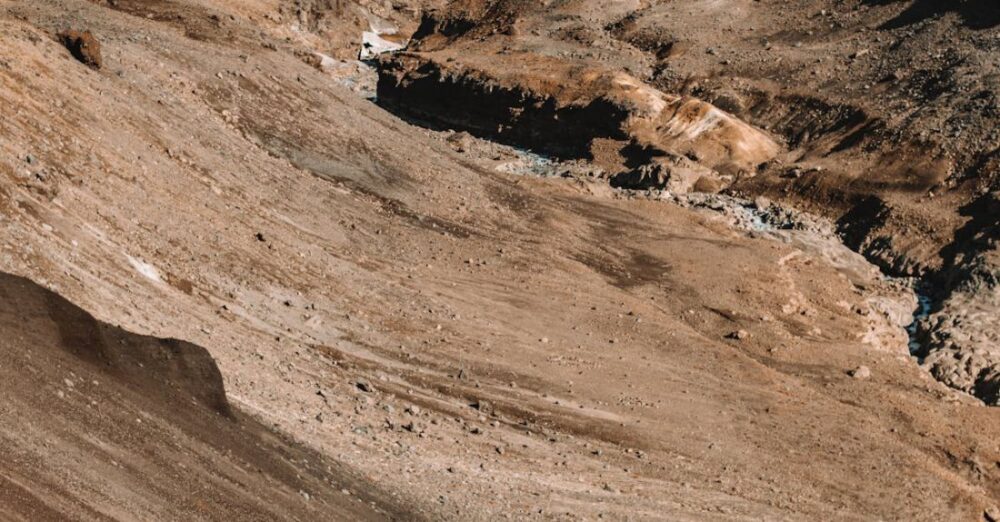
Volcanic activity not only creates islands but also shapes their landscapes in profound ways. Lava flows from volcanic eruptions can carve out new valleys and alter the terrain, leaving behind a rugged and dynamic environment. The explosive nature of some volcanoes can lead to the formation of calderas, massive crater-like depressions that become the focal points of many island landscapes. Over time, as lava cools and solidifies, it forms unique rock formations that give each island its distinctive character.
**Ecological Impact**
The volcanic activity that shapes islands also has a significant impact on their ecosystems. Despite the harsh conditions created by eruptions, volcanic soils are rich in nutrients, making them highly fertile grounds for plant life. Over time, these new ecosystems develop, supporting a diverse array of flora and fauna that have adapted to thrive in this challenging environment. From lush rainforests to barren moonscapes, the ecological diversity of volcanic islands is a testament to the resilience of life.
**Cultural Significance**
The influence of volcanic activity on islands extends beyond the physical landscape to the cultural identity of the people who call these places home. Many island communities have deep-rooted beliefs and traditions tied to the volcanoes that define their surroundings. From ancient myths and legends to modern rituals and festivals, volcanoes are often revered as both destructive forces and sources of life-giving energy. The symbiotic relationship between humans and volcanoes is a testament to the enduring power of these natural wonders.
**Tourism and Adventure**
Volcanic islands are not only geologically fascinating but also draw visitors from around the world seeking adventure and exploration. Tourists flock to these destinations to witness the raw power of volcanic activity up close, whether by hiking to the summit of an active volcano or relaxing on a beach formed from volcanic sands. The allure of these islands lies in their untamed beauty and the thrill of experiencing nature in its most primal form.
**In Conclusion**
The volcanic activity that shapes islands is a dynamic and ever-changing force that leaves a lasting imprint on the landscapes and cultures of these unique land masses. From the birth of new islands to the ecological impact on their ecosystems, volcanoes play a central role in the evolution of these isolated paradises. As we continue to marvel at the wonders of volcanic activity, we are reminded of the awe-inspiring power of nature and the enduring legacy it leaves behind on the islands we call home.