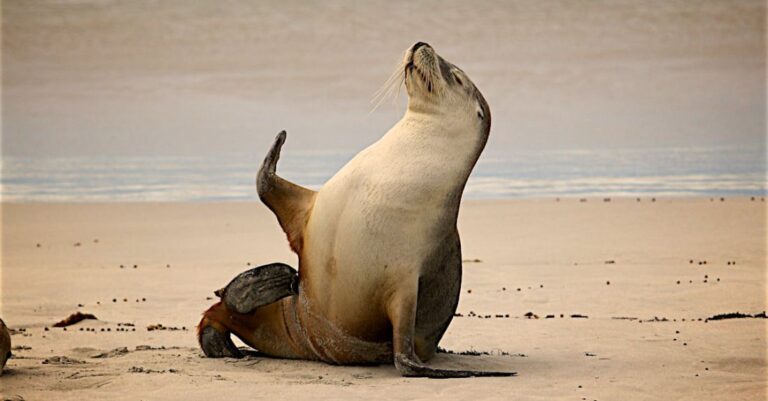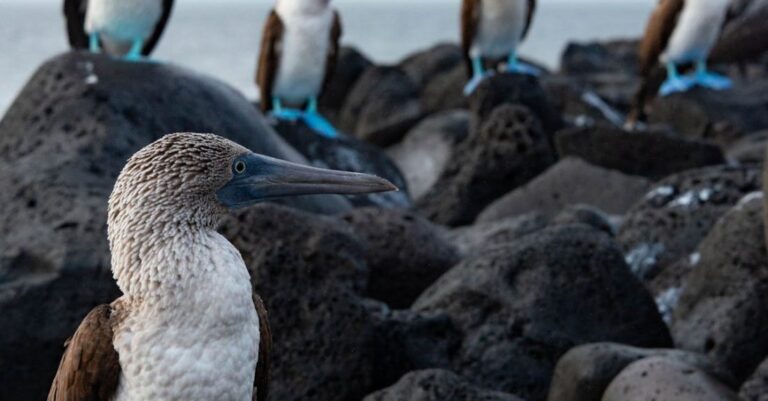

The Galapagos Islands, located in the Pacific Ocean, are renowned for their unique biodiversity and stunning marine life. However, the delicate ecosystem of the Galapagos Sea is under threat from the impacts of climate change. Rising sea temperatures, ocean acidification, and extreme weather events are just some of the ways in which climate change is affecting this fragile marine environment.
Rising Sea Temperatures
One of the most significant impacts of climate change on the Galapagos Sea is the rise in sea temperatures. Warmer waters can have a devastating effect on marine life, disrupting food chains and causing coral bleaching. Coral reefs are particularly vulnerable to rising temperatures, as they rely on a delicate balance of conditions to survive. When sea temperatures increase, corals expel the algae living in their tissues, causing them to turn white and eventually die. This not only has a detrimental impact on the corals themselves but also on the myriad of marine species that rely on coral reefs for food and shelter.
Ocean Acidification
In addition to rising sea temperatures, ocean acidification is another consequence of climate change that is affecting the Galapagos Sea. As carbon dioxide levels in the atmosphere increase, the oceans absorb more CO2, leading to a decrease in pH levels. This change in ocean chemistry can have a profound impact on marine life, especially organisms that rely on calcium carbonate to build their shells and skeletons. For example, pteropods, a type of sea snail, are particularly vulnerable to ocean acidification, as their fragile shells can dissolve in more acidic waters. This can have knock-on effects throughout the food chain, impacting the entire marine ecosystem.
Extreme Weather Events
Climate change is also increasing the frequency and intensity of extreme weather events, such as hurricanes and storms, in the Galapagos region. These events can cause widespread damage to coral reefs, seagrass beds, and other important marine habitats. Storm surges, heavy rainfall, and strong winds can disrupt fragile ecosystems and destroy critical habitats for marine species. This can lead to a loss of biodiversity and a decline in the overall health of the Galapagos Sea.
Impacts on Marine Species
The impacts of climate change on the Galapagos Sea are not limited to the physical environment but also extend to the marine species that call these waters home. Many species are already facing challenges from overfishing, pollution, and habitat destruction, and climate change is adding an additional layer of stress. For example, the Galapagos penguin, the only penguin species to live north of the equator, is particularly vulnerable to rising sea temperatures and changes in ocean currents. As sea temperatures continue to increase, the availability of prey species, such as small fish and squid, may decline, making it harder for penguins to find food and reproduce successfully.
Adaptation and Resilience
Despite the significant challenges posed by climate change, there is hope for the Galapagos Sea. Marine species in the region have shown remarkable resilience and adaptation in the face of changing environmental conditions. Scientists and conservationists are working to protect and restore critical habitats, implement sustainable fishing practices, and reduce pollution to help marine ecosystems thrive in the face of climate change. By taking action now, we can help ensure that the Galapagos Sea remains a vibrant and biodiverse ecosystem for generations to come.
In conclusion, the impacts of climate change on the Galapagos Sea are profound and wide-ranging. Rising sea temperatures, ocean acidification, and extreme weather events are threatening the delicate balance of this unique marine environment. However, with concerted efforts to mitigate climate change and protect marine habitats, we can help safeguard the future of the Galapagos Sea and the incredible marine life that calls it home.