
**How Do Ocean Currents Affect Galapagos Wildlife**
Nestled in the eastern Pacific Ocean, the Galapagos Islands are renowned for their unique biodiversity and stunning array of wildlife. However, what many may not realize is that the ocean currents surrounding these islands play a crucial role in shaping the ecosystem and influencing the behavior of the species that call this archipelago home. From the iconic Galapagos tortoises to the vibrant marine life, the impact of ocean currents on the wildlife of this region is profound and far-reaching.
**The Humboldt Current: A Lifeline for Marine Species**
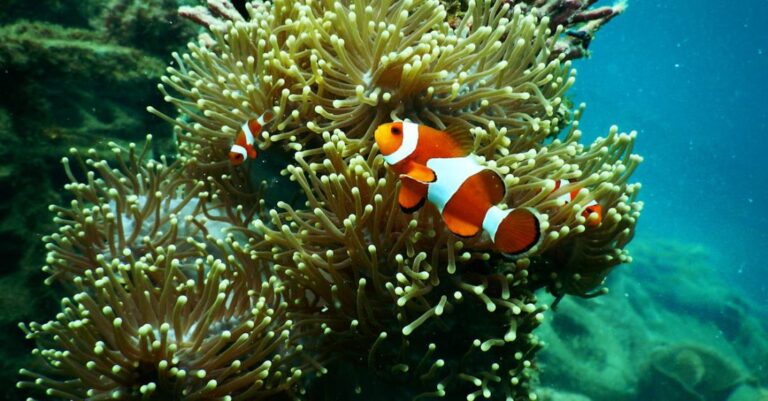
One of the most significant ocean currents that influence the Galapagos Islands is the Humboldt Current. This cold, nutrient-rich current flows northward along the western coast of South America, bringing with it a wealth of marine life that forms the basis of the food chain in the Galapagos ecosystem. The cool waters of the Humboldt Current support an abundance of phytoplankton, which in turn attracts a diverse array of fish species, including sardines, anchovies, and mackerel.
**Marine Species Migration Patterns**
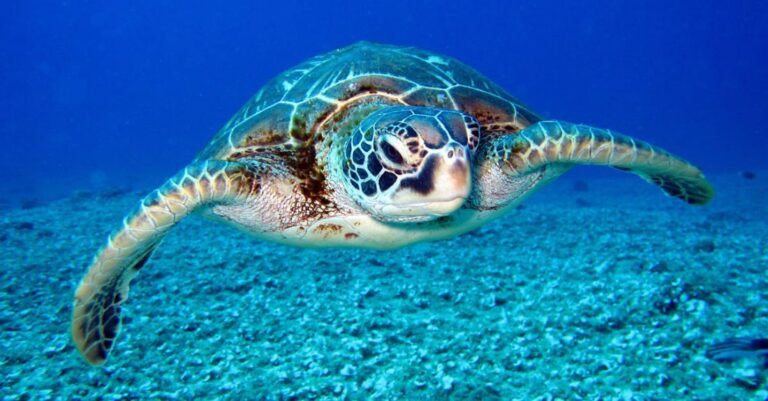
The influence of ocean currents on the Galapagos wildlife extends beyond the supply of nutrients. The movement of these currents also affects the migration patterns of various marine species that frequent the waters around the islands. For instance, the Galapagos green sea turtles rely on the ocean currents to carry them to their feeding grounds, where they graze on seagrass beds. Similarly, species like the Galapagos penguins and marine iguanas are highly adapted to the cold waters brought by the Humboldt Current, which allows them to thrive in this unique environment.
**Breeding Cycles and Reproductive Success**
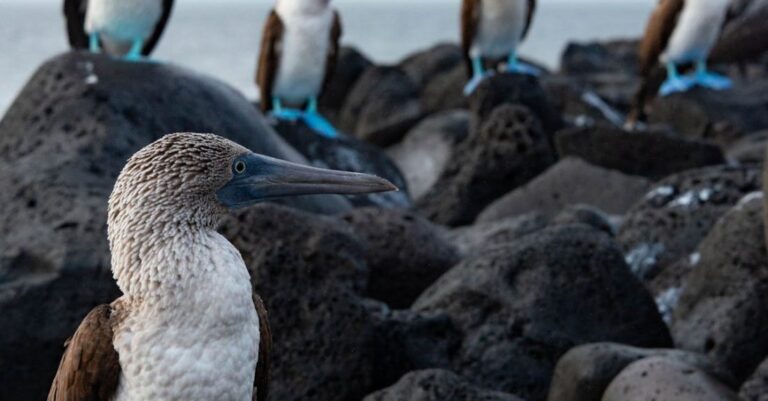
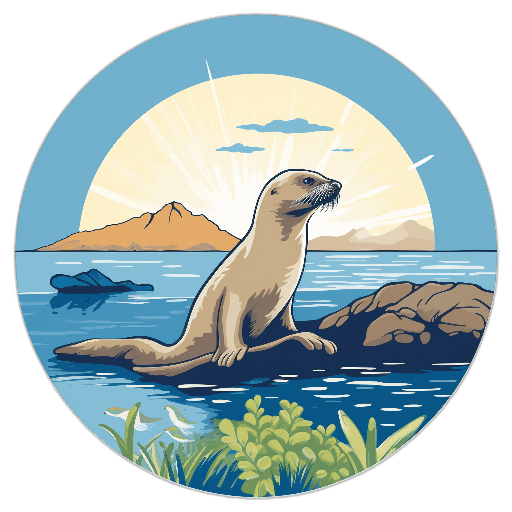
Ocean currents play a crucial role in the breeding cycles and reproductive success of many Galapagos wildlife species. For example, the Galapagos fur seals depend on the cool, nutrient-rich waters of the Humboldt Current to provide ample food for nursing mothers and their pups. The timing of the currents also influences the availability of food sources for seabirds like the blue-footed booby, whose breeding success is closely tied to the abundance of fish brought by the currents.
**Climate Change and Ocean Currents**
In recent years, the impact of climate change on ocean currents has raised concerns about the long-term health of the Galapagos ecosystem. As global temperatures rise, shifts in ocean currents could disrupt the delicate balance of the marine environment around the islands. Changes in water temperature and nutrient levels could have far-reaching effects on the distribution and abundance of marine species, posing challenges for the conservation of Galapagos wildlife.
**Sustainable Conservation Efforts**
To protect the rich biodiversity of the Galapagos Islands and mitigate the impact of changing ocean currents, sustainable conservation efforts are essential. Conservation organizations and researchers are working to monitor and study the interactions between ocean currents and wildlife in the region to better understand how these dynamics may shift in response to environmental changes. By implementing measures to reduce human impact on the marine environment and promote sustainable practices, we can help safeguard the unique wildlife of the Galapagos for future generations.
**Preserving a Natural Wonder**
In conclusion, the intricate relationship between ocean currents and Galapagos wildlife highlights the interconnectedness of the natural world. From shaping migration patterns to influencing breeding cycles, these currents play a vital role in sustaining the diverse array of species that inhabit this extraordinary archipelago. By recognizing the importance of ocean currents in the Galapagos ecosystem and taking steps to protect and preserve this fragile environment, we can ensure that this natural wonder continues to thrive for years to come.