Located off the coast of Ecuador, the Galapagos Marine Reserve is a vast expanse of protected waters that teem with a breathtaking array of marine life. Spanning over 133,000 square kilometers, this UNESCO World Heritage site is renowned for its unique biodiversity and pristine ecosystems. The Galapagos Marine Reserve plays a crucial role in conserving marine species, preserving habitats, and supporting local communities. Let’s delve into why this marine reserve is so important for the planet and its inhabitants.
Preserving Biodiversity
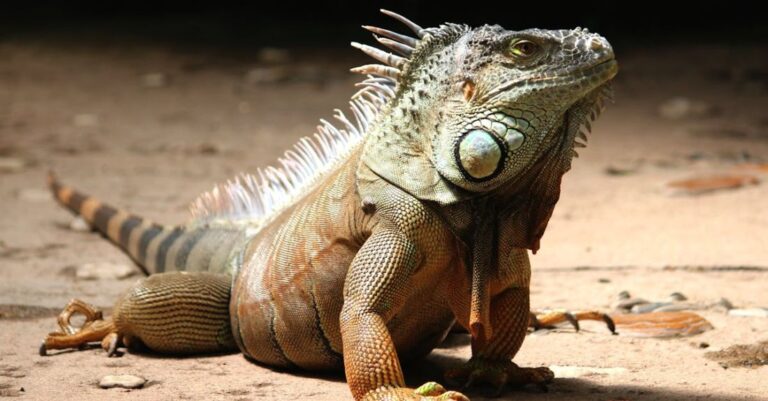
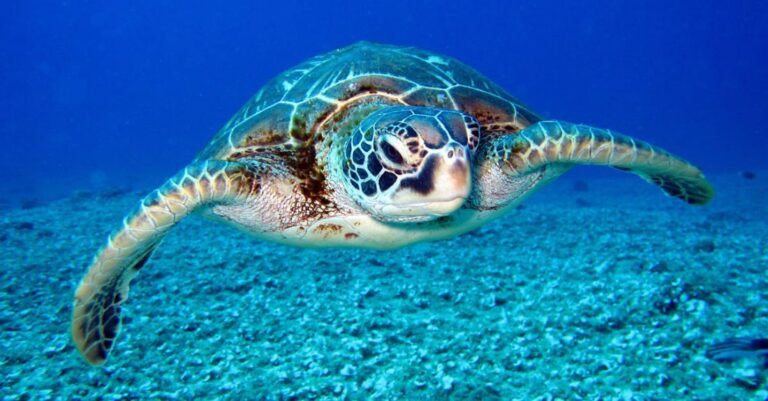
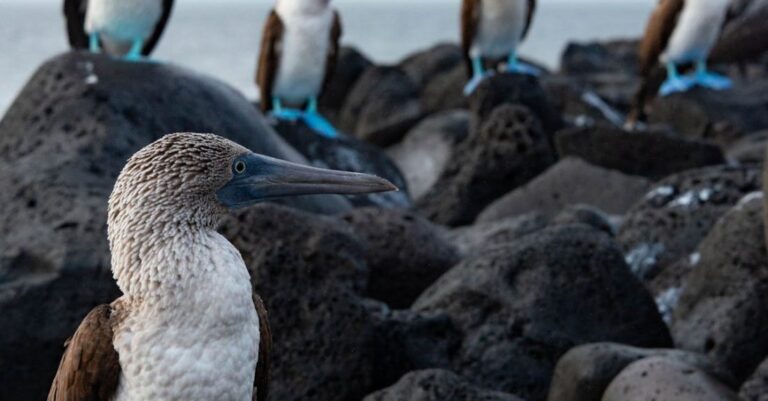
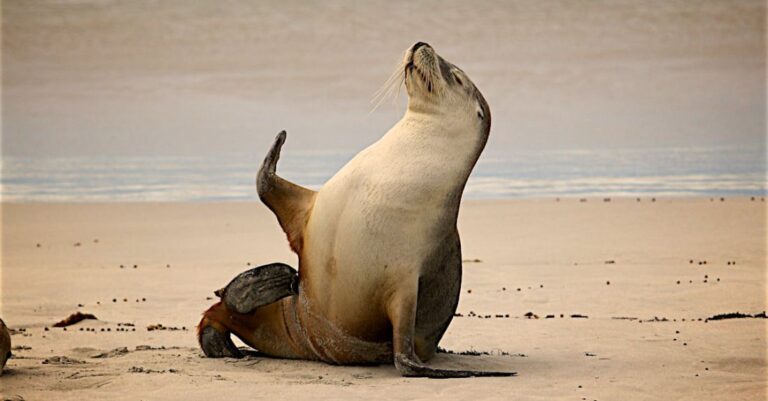
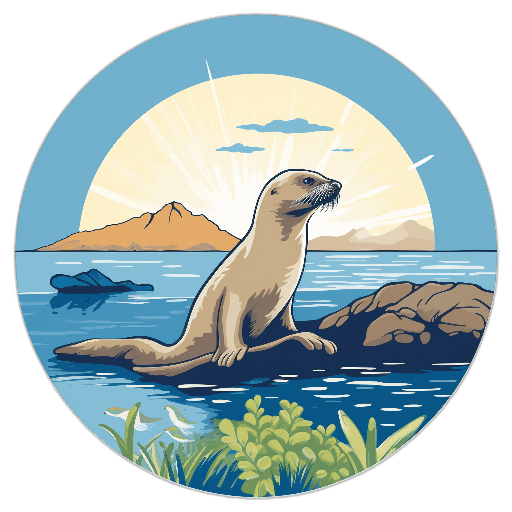
One of the key reasons why the Galapagos Marine Reserve is important is its role in preserving biodiversity. The waters surrounding the Galapagos Islands are home to a rich variety of marine species, many of which are endemic to the region. From iconic marine iguanas and Galapagos sea lions to colorful fish and majestic sharks, the reserve harbors a diverse and unique ecosystem that needs protection.
By safeguarding these waters, the Galapagos Marine Reserve helps ensure the survival of countless species that rely on its pristine habitats for food, shelter, and breeding grounds. The reserve’s strict conservation measures, such as fishing regulations and limits on tourism activities, help minimize human impact on these fragile ecosystems, allowing marine life to thrive undisturbed.
Supporting Local Communities
In addition to its ecological significance, the Galapagos Marine Reserve also plays a vital role in supporting local communities that depend on the ocean for their livelihoods. Fishing is a major industry in the Galapagos Islands, providing employment and sustenance for many residents. By protecting the marine resources in the reserve, authorities ensure the long-term sustainability of fisheries, enabling local fishermen to continue their trade without depleting the ocean’s resources.
Furthermore, the marine reserve attracts tourists from around the world who come to marvel at its natural wonders. This influx of visitors brings economic opportunities to the islands, creating jobs in tourism-related industries such as guiding, hospitality, and conservation. By striking a balance between conservation and economic development, the Galapagos Marine Reserve helps ensure the well-being of both the environment and the local population.
Mitigating Climate Change
The Galapagos Marine Reserve also plays a critical role in mitigating the effects of climate change on marine ecosystems. As global temperatures rise and ocean acidification worsens, marine life faces unprecedented challenges. By protecting a vast expanse of healthy, diverse habitats, the reserve acts as a refuge for species that may struggle to survive in changing environmental conditions.
Additionally, the Galapagos Marine Reserve serves as a valuable research site for scientists studying the impacts of climate change on marine ecosystems. By monitoring the health of coral reefs, tracking the movements of marine species, and collecting data on water quality, researchers can better understand how climate change is affecting the oceans and develop strategies to mitigate its effects.
Safeguarding for Future Generations
In conclusion, the Galapagos Marine Reserve is a vital sanctuary for marine life, a source of livelihood for local communities, a bulwark against climate change, and a treasure trove of scientific knowledge. Protecting this unique marine environment is not just a matter of conservation; it is a responsibility we owe to future generations who deserve to inherit a planet teeming with life and beauty.
By upholding the principles of sustainability, conservation, and cooperation, we can ensure that the Galapagos Marine Reserve continues to thrive for years to come, serving as a beacon of hope for marine conservation efforts worldwide. As stewards of this precious marine ecosystem, it is our duty to protect and preserve it for the benefit of all who call this planet home.