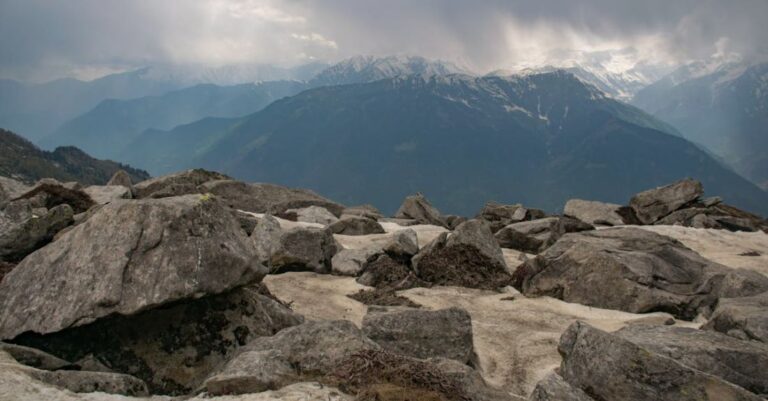

The Galapagos Islands, located in the Pacific Ocean, are renowned for their unique biodiversity and captivating landscapes. One of the key factors that shape the habitats on these islands is the geological formations present in the archipelago. From volcanic craters to rocky cliffs, the diverse geological features of the Galapagos play a crucial role in determining the flora and fauna that thrive in each habitat.
Formation of Volcanic Islands
The Galapagos Islands are of volcanic origin, formed by the movement of tectonic plates and volcanic eruptions over millions of years. These geological processes have given rise to a diverse range of landforms, including volcanic craters, lava fields, and rugged coastlines. The islands’ volcanic soil is rich in minerals, making it fertile ground for plant life to flourish. As a result, different habitats have emerged on each island, each with its unique plant and animal species adapted to the specific conditions.
Impact on Vegetation
The geological formations of the Galapagos Islands have a profound impact on the vegetation found in different habitats. For instance, the highlands of the islands, characterized by lush greenery and misty forests, are influenced by the presence of volcanic craters and the elevation of the land. The cooler temperatures and higher humidity in the highlands create a favorable environment for plants such as scalesia trees and ferns to thrive.
In contrast, the arid lowlands of the Galapagos, with their rocky terrain and sparse vegetation, are shaped by the lack of rainfall and the porous volcanic rocks that make up the islands. Cacti and other succulent plants have adapted to survive in these harsh conditions by storing water in their stems and roots. The unique flora of the lowlands is a testament to the resilience of plant life in the face of challenging environmental conditions.
Influence on Animal Adaptations
The geological formations of the Galapagos Islands also play a crucial role in shaping the adaptations of the animal species that inhabit the archipelago. For example, the marine iguanas, unique to the Galapagos, have evolved to feed on algae in the nutrient-rich waters around the islands. Their ability to dive deep and withstand the cold ocean temperatures is made possible by the rocky coastlines and underwater lava formations that provide them with shelter and food sources.
Similarly, the famous Galapagos tortoises have adapted to the varied habitats of the islands, with different species inhabiting different islands based on the availability of food and nesting sites. The volcanic terrain of the islands offers these giant tortoises a range of microclimates to choose from, allowing them to regulate their body temperature and conserve energy as they move between different habitats.
Preservation of Unique Ecosystems
The geological formations of the Galapagos Islands are not only instrumental in shaping the habitats of the archipelago but also in preserving its unique ecosystems. The isolation of the islands has allowed for the evolution of distinct plant and animal species found nowhere else on Earth. By studying the geological history of the islands, researchers can gain insights into the processes that have led to the formation of these one-of-a-kind habitats and the species that call them home.
In conclusion, the geological formations of the Galapagos Islands are a defining feature of the archipelago’s landscapes and biodiversity. From volcanic craters to rocky cliffs, these landforms influence the habitats and adaptations of the plant and animal species that inhabit the islands. By understanding the role of geology in shaping the Galapagos ecosystems, we can better appreciate the interconnectedness of the natural world and the importance of preserving these unique habitats for future generations.