The Galapagos Islands, located in the Pacific Ocean off the coast of Ecuador, are renowned for their unique biodiversity and geology. The formation of these islands is closely tied to volcanic activity, resulting in a diverse range of rock types that provide insight into the geological history of the region.
Volcanic Rocks
The Galapagos Islands are primarily composed of volcanic rocks, which are the result of millions of years of volcanic activity. Basalt is the most common type of volcanic rock found in the Galapagos, characterized by its dark color and fine-grained texture. This rock type is formed from the rapid cooling of lava on the Earth’s surface, leading to a solid, dense rock that is rich in minerals such as magnesium and iron.
Pumice is another volcanic rock type found in the Galapagos, known for its light weight and porous texture. Pumice forms when lava containing high levels of gas bubbles rapidly cools and solidifies, trapping the bubbles within the rock matrix. This unique rock type is often found floating on the ocean surface and is commonly used in skincare products for its exfoliating properties.
Sedimentary Rocks
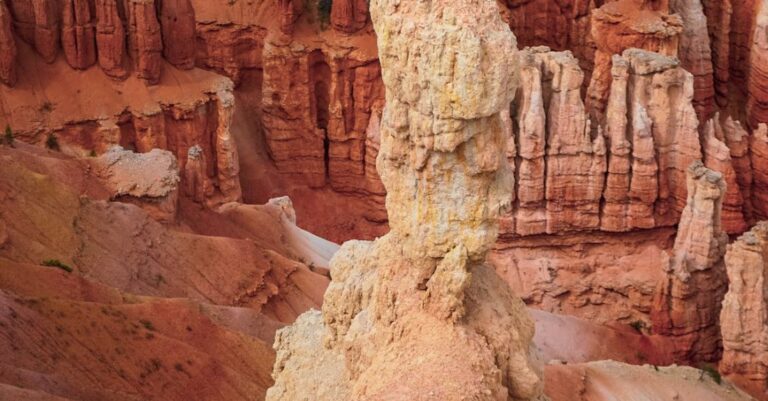
In addition to volcanic rocks, the Galapagos Islands also contain sedimentary rocks that provide valuable insights into the geological processes that have shaped the region. Sandstone is a common sedimentary rock found in the Galapagos, formed from the accumulation and cementation of sand grains over millions of years. Sandstone often contains fossilized remains of marine organisms, offering clues about the ancient environments that once existed in the region.
Limestone is another prominent sedimentary rock type in the Galapagos, characterized by its white color and high calcium carbonate content. Limestone forms from the gradual accumulation of calcareous marine sediments, such as shells and coral fragments, and is often associated with the presence of ancient coral reefs. The presence of limestone in the Galapagos indicates past marine environments and the gradual uplift of the islands over time.
Igneous Rocks
In addition to volcanic rocks, the Galapagos Islands also contain a variety of igneous rocks that provide valuable insights into the magmatic processes that have shaped the region. Diorite is a common igneous rock found in the Galapagos, characterized by its medium to coarse-grained texture and speckled appearance. Diorite forms from the slow cooling of magma beneath the Earth’s surface, resulting in a rock rich in minerals such as feldspar and quartz.
Granite is another prominent igneous rock type in the Galapagos, known for its coarse-grained texture and light-colored appearance. Granite forms from the slow cooling of magma deep within the Earth’s crust, leading to a rock composed primarily of quartz, feldspar, and mica minerals. The presence of granite in the Galapagos indicates the complex magmatic history of the region and the diverse range of geological processes that have shaped the islands.
Conclusion
The Galapagos Islands are a geological marvel, showcasing a diverse range of rock types that provide valuable insights into the region’s volcanic and tectonic history. From volcanic rocks like basalt and pumice to sedimentary rocks like sandstone and limestone, the rocks of the Galapagos tell a fascinating story of the Earth’s dynamic processes. By studying these rock types, geologists can unravel the mysteries of the islands’ formation and better understand the forces that have shaped this unique and captivating archipelago.