The Galapagos Islands, renowned for their unique biodiversity and stunning landscapes, have been shaped over millions of years by various geological processes. Among these processes, erosion plays a crucial role in molding the distinctive terrain that characterizes the archipelago. From towering volcanic peaks to rugged coastlines, the Galapagos showcase the dynamic forces of erosion at work. Understanding how erosion processes shape these islands provides valuable insights into the geological history and ongoing evolution of this remarkable ecosystem.
**Volcanic Origins: The Foundation of the Galapagos**
The Galapagos Islands are volcanic in nature, originating from a hotspot beneath the Earth’s crust. This hotspot has been responsible for the formation of the islands over the past 5 million years. As tectonic plates move over the hotspot, magma rises to the surface, creating new land masses. The repeated volcanic eruptions have built up the islands, forming a foundation that is highly susceptible to erosion.
**Water, Wind, and Waves: Agents of Erosion**
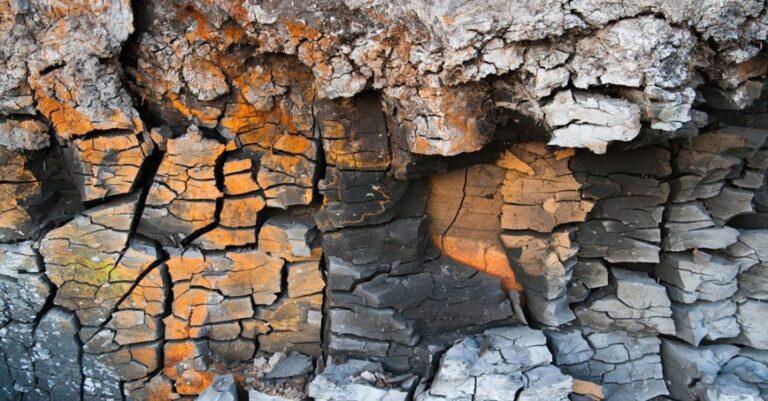
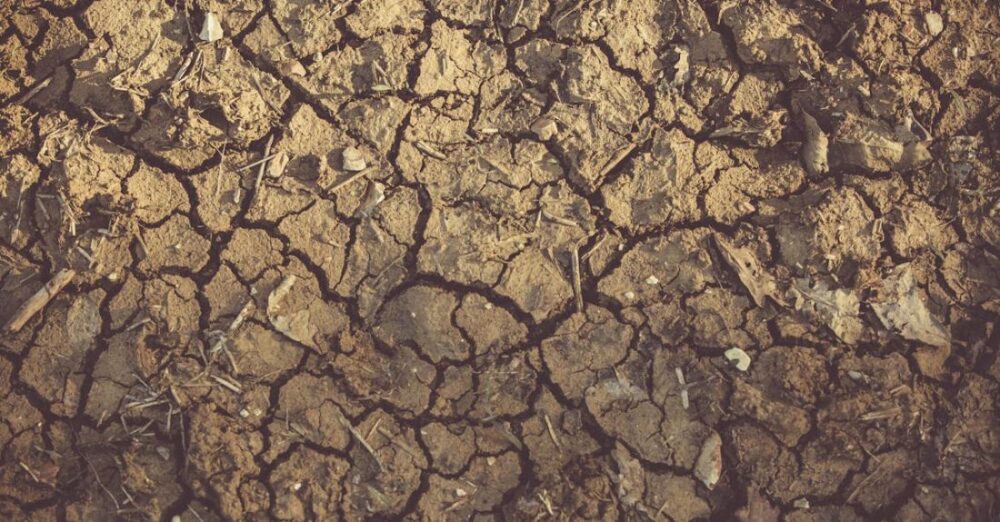
Erosion in the Galapagos is primarily driven by water, wind, and waves. Rainfall, which varies across the islands, plays a significant role in shaping the landscape. The constant moisture can cause rocks to weather and break down over time. This process, known as mechanical weathering, weakens the volcanic rock, making it more susceptible to erosion by other agents.
The powerful force of the ocean waves continuously batters the coastlines of the islands, sculpting sea cliffs and rocky shorelines. The relentless action of the waves erodes the volcanic rock, creating intricate formations such as sea arches and sea stacks. Over time, these features evolve, showcasing the ongoing impact of erosion on the coastal areas of the Galapagos.
**Giant Tortoises and Erosion: An Unlikely Partnership**
While natural forces like water and wind play a significant role in erosion, the iconic giant tortoises of the Galapagos also contribute to shaping the landscape. These gentle giants graze on vegetation, which in turn affects the distribution of plant species across the islands. By consuming plants, tortoises help prevent overgrowth in certain areas, allowing for a more diverse ecosystem to thrive.
The movement of giant tortoises through different habitats can also impact soil erosion. Their trampling activity can disturb the topsoil, exposing it to erosion by water and wind. While this may seem like a destructive process, it is essential for maintaining the balance of the ecosystem and promoting the regeneration of plant life.
**The Evolution of Landscapes: A Dynamic Process**
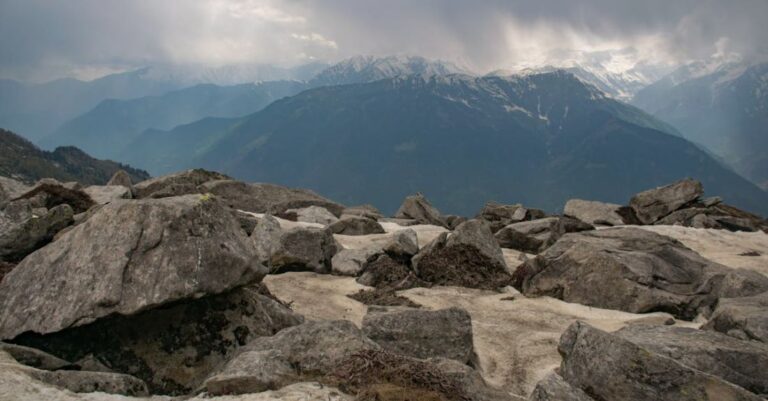
As erosion continues to shape the Galapagos Islands, the landscapes undergo constant transformation. Volcanic peaks are gradually worn down, valleys are carved out by flowing water, and coastlines are reshaped by the relentless force of the waves. The dynamic interplay between geological processes and the diverse flora and fauna of the islands creates a complex tapestry of ecosystems that are constantly evolving.
**Preserving the Galapagos: Balancing Conservation and Development**
The Galapagos Islands face the dual challenge of preserving their unique natural heritage while accommodating the growing demands of tourism and development. As human activities impact the fragile ecosystems of the archipelago, it becomes crucial to find a balance between conservation efforts and sustainable development. By understanding how erosion processes shape the Galapagos landscape, we can better appreciate the delicate interplay between nature and human intervention, ensuring the long-term preservation of this extraordinary ecosystem.