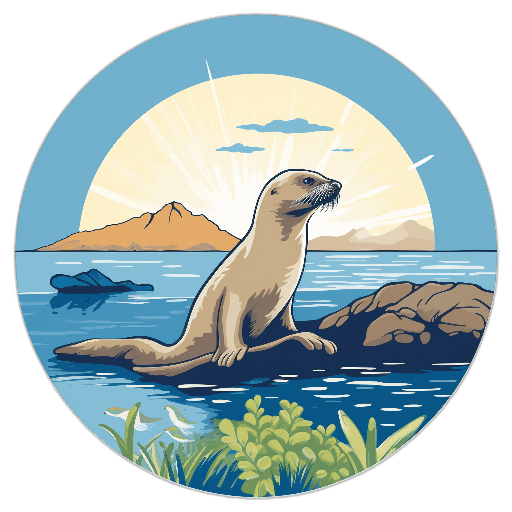

Located in the Pacific Ocean, the Galapagos Islands are renowned for their unique biodiversity, both on land and in the surrounding waters. The marine environment of the Galapagos is teeming with a diverse array of species, many of which are endemic to the region. However, like many marine ecosystems around the world, the waters of the Galapagos are facing threats that are putting several species at risk of extinction. In this article, we will explore some of the endangered marine species in the Galapagos and the factors contributing to their decline.
### Galapagos Penguin
The Galapagos penguin, the only species of penguin found north of the equator, is one of the most endangered marine species in the Galapagos. With an estimated population of around 1,000 individuals, these charismatic birds face numerous threats, including overfishing, climate change, and habitat destruction. The warming of ocean waters is affecting the availability of food for the penguins, making it challenging for them to find enough fish to survive. Conservation efforts are underway to protect the Galapagos penguin and ensure its survival for future generations.
### Galapagos Sea Lion
The Galapagos sea lion is another iconic marine species that is facing threats in the Galapagos. These playful and curious animals are often seen lounging on sandy beaches or frolicking in the waves. However, their population is declining due to entanglement in fishing gear, habitat degradation, and human disturbance. Bycatch in fishing nets is a significant threat to sea lions, as they can become trapped and drown. Conservation organizations are working to implement measures to reduce bycatch and protect the habitat of these charismatic creatures.
### Green Sea Turtle
The waters around the Galapagos Islands are home to a significant population of green sea turtles. These ancient reptiles play a vital role in marine ecosystems, but they are facing numerous threats to their survival. Illegal poaching for their meat and eggs, habitat destruction, and climate change are all contributing to the decline of green sea turtle populations in the Galapagos. Conservation efforts, such as protected marine areas and community education programs, are crucial in safeguarding the future of these endangered turtles.
### Hammerhead Shark
The Galapagos Islands are a hotspot for hammerhead sharks, with large populations of these iconic predators inhabiting the surrounding waters. However, hammerhead sharks are under threat from overfishing and the illegal shark fin trade. Hammerheads are particularly vulnerable to overexploitation due to their slow reproductive rates and long gestation periods. Conservation measures, such as bans on shark finning and the establishment of marine protected areas, are essential for the conservation of these magnificent creatures.
### Galapagos Giant Manta Ray
The Galapagos giant manta ray is the largest species of ray in the world, with individuals reaching up to 23 feet in wingspan. These gentle giants are a popular sight for divers and snorkelers in the Galapagos, but they are facing threats from bycatch, habitat degradation, and climate change. Manta rays are often caught accidentally in fishing nets intended for other species, leading to injuries or death. Conservation efforts, including the monitoring of manta ray populations and the establishment of protected areas, are crucial for the long-term survival of these majestic creatures.
### Conclusion: Protecting the Marine Species of the Galapagos
The marine environment of the Galapagos Islands is home to a diverse array of species, many of which are found nowhere else on Earth. However, these unique marine ecosystems are under threat from human activities, climate change, and habitat destruction. Conservation efforts are essential to protect the endangered marine species of the Galapagos and ensure the long-term sustainability of this remarkable archipelago. By raising awareness, implementing sustainable fishing practices, and establishing marine protected areas, we can work together to safeguard the rich biodiversity of the Galapagos for generations to come.